25 Minutes At A Time: How An Organizer Suggests Tackling Paper Clutter
Professional organizer Kacy Paide recommends sorting documents into active and inactive piles, starting only with the paperwork nearest you.
By John Price ·
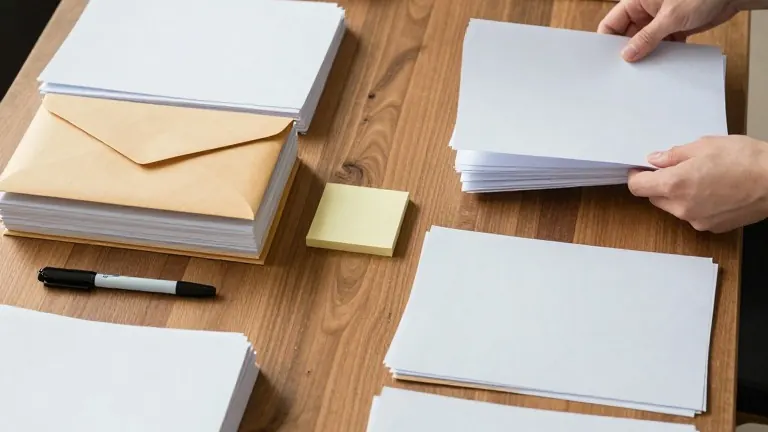
Paperwork piles up in homes across the country, but the process of sorting through it does not have to happen in a single day. A professional organizer is advising a slower, more deliberate approach to managing the documents that accumulate on desks and kitchen islands.
Kacy Paide has worked as a professional organizer for more than 20 years and specializes in paper clutter. She advises people to ignore storage areas like garages and office closets when first starting out. The documents requiring immediate attention are usually close at hand. Paide said the documents and action items that are on fire tend to be the ones closest to you.
Once the nearby piles are gathered, Paide suggests dividing them into two categories: active and inactive. Active papers require an action, such as placing a call or paying a bill. Inactive papers, including receipts, birth certificates and personal letters, require no follow-up and can be filed away for later review. For active items, Paide recommends writing a specific deadline on a sticky note attached to the document, rather than using vague terms like urgent or due now.
Paide has specific preferences regarding filing systems. She advises placing essential documents such as passports and marriage certificates in a brightly colored folder and positioning that folder at the very front or back of a file box. She uses standard file folders labeled with sticky notes and permanent markers, allowing the labels to be changed if the sorting method changes later. She also stores paperwork in file boxes placed on bookshelves, creating a visual filing system.
Regarding disposal, the Federal Trade Commission advises destroying documents containing sensitive information to protect against identity theft. This includes account numbers, birth dates, passwords, pins, signatures and Social Security numbers. Paide notes that people do not need to shred every piece of paper bearing a name and address. For sentimental documents like old letters or divorce papers, she suggests sorting them with a friend or family member and speaking thoughts aloud about each item. Paide said people reach conclusions about keeping or discarding such items shockingly fast.
Paide said organizing is an ongoing process requiring maintenance and change. She recommends dedicating 25 minutes at a time to the task if a full session feels overwhelming. The pace of the work is up to the individual. You're in control of your paper, and it's up to you how fast you want to get through it, she said.
Source: NPR