Apple Unveils iPod, Packing 1,000 Songs Into a Pocket-Sized Device
Apple introduced a portable music player capable of storing a vast digital library, marking a significant shift in how consumers interact with audio technology.
By John Price ·
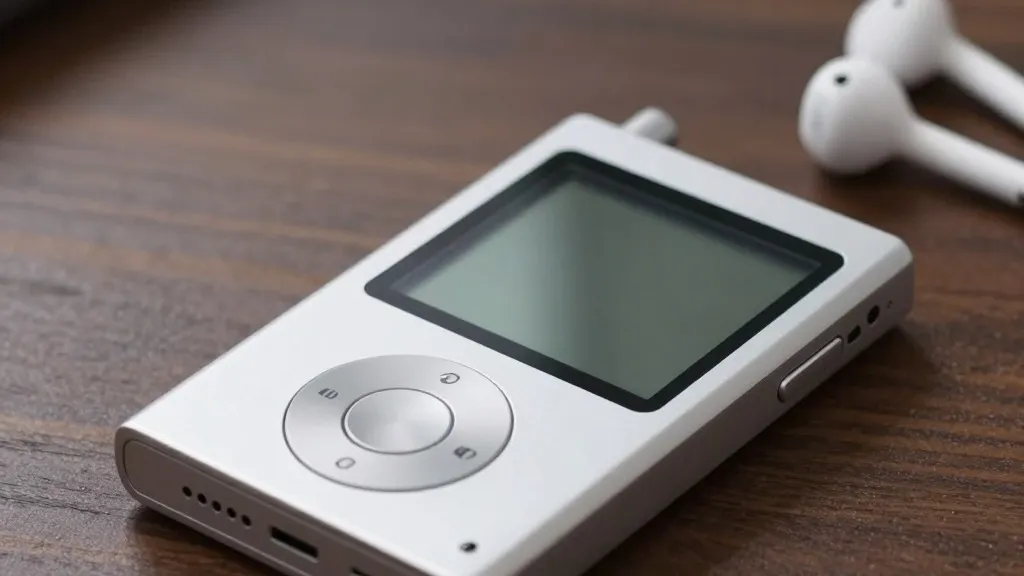
1,000 songs. That is the figure Apple CEO Steve Jobs put front and center when introducing a new hardware category on this day in 2001. The company revealed a portable digital music player capable of fitting a massive collection of tracks into a package no larger than a deck of cards. The device, named the iPod, offered 5 gigabytes of storage to hold that volume of music. Jobs pitched it as a breakthrough digital device that is not a Mac, offering a way to carry an entire music library for $399.
The hardware design centered on portability and speed. Apple utilized a Toshiba 1.8-inch hard drive measuring 0.2 inches thick to achieve the small form factor. The resulting device measured 2.4 by 4 by 0.78 inches and weighed 6.5 ounces, which Jobs described as lighter than most cell phones. The unit included a lithium-polymer battery capable of 10 hours of continuous playback, with a recharge time of one hour to reach 80% capacity. The device supports MP3, WAV, and AIFF formats.
Apple integrated a FireWire 400 port into the design to accelerate data transfer. The company claimed this connection could move an entire CD to the device in five to 10 seconds. Filling the device’s 1,000-song capacity was estimated to take 10 minutes. By comparison, transferring the same data via USB connections of the era was estimated to take five minutes for a single CD or five hours to fill a device.
The user interface relied on a scroll wheel equipped with a piezoelectric clicker for tactile feedback. This component allowed for rapid location and playback of music by playlist, artist, or song. Apple paired the hardware with the release of iTunes 2 on the same day. The software introduced an Auto-Sync feature designed to keep the libraries created on a Mac synchronized with the portable player during connection. The device also functioned as a FireWire hard disk drive.
Apple’s strategy for the product line focused on the Mac serving as the center of a digital lifestyle, acting as a hub for devices like cameras and DVD players. Jobs identified digital music as a large target market without a clear leader. While companies like Creative, Sonic Blue, and Sony offered portable players, Jobs stated that none had found the recipe for digital music. Apple chose to enter the market with hard disk-based jukebox players.
The iPod remained a staple of the Apple product stack for years. The first iPhone launched in early 2007, over five years after the iPod's introduction. Both devices continued to be sold together for more than a decade. The final model of the iPod Touch, the 7th generation, was released in May 2019. Apple officially discontinued the product line in May 2022.
Source: Tom's Hardware · original report published