Bank of England lifts key rate to 4% to combat inflation driven by Iran conflict
The Bank of England has raised its benchmark interest rate to 4% for the first time in over three years to address inflation spikes caused by the Iran war and energy supply disruptions.
By John Price ·
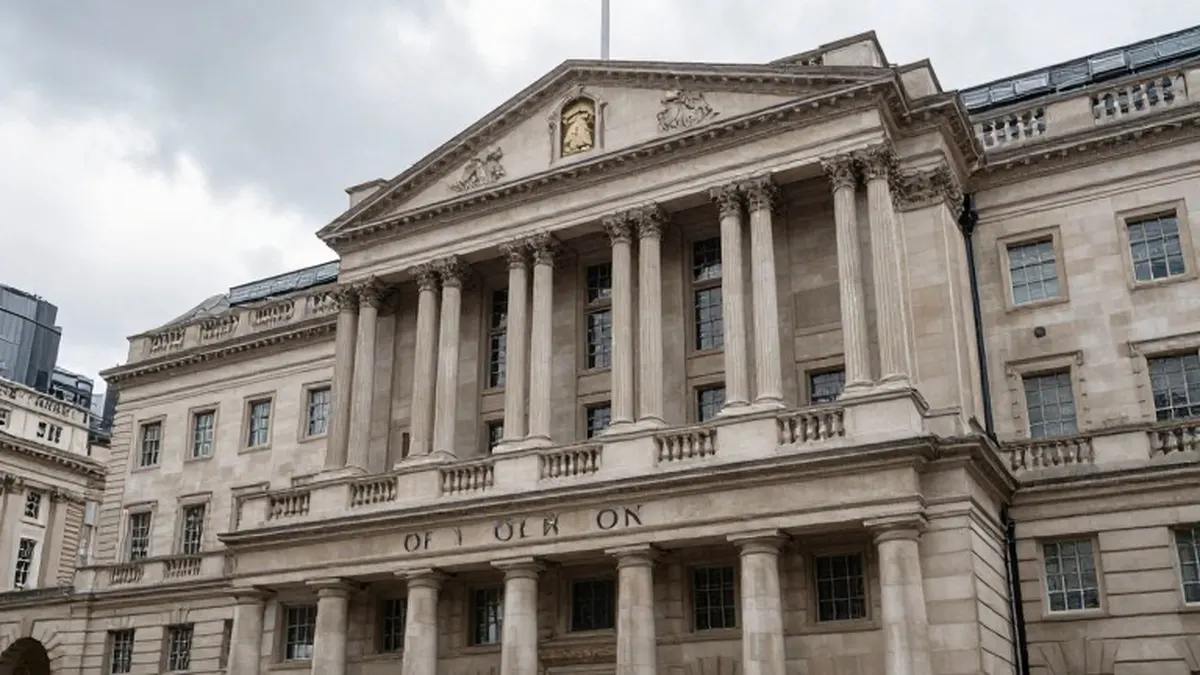
The Bank of England has increased its main interest rate by a quarter of a percentage point, bringing the benchmark rate to 4%. This move marks the first rate hike in more than three years and is a direct response to the inflationary pressures triggered by the ongoing war with Iran. The decision was made by the nine members of the Monetary Policy Committee, who assessed that the current economic conditions required immediate action to stabilize prices.
Inflation in the United Kingdom reached an 11-month high of 3.5% in September, significantly exceeding the central bank's target of 2%. This sustained rise in consumer prices has eroded the patience of policymakers, who had previously seen interest rates trending downward from a 15-year peak of 5.25%. The previous rate was 3.75%, and the last adjustment before the current one occurred in August 2023.
The primary driver behind the recent spike in inflation is the sharp increase in fuel costs. The conflict with Iran has caused significant bottlenecks in the Strait of Hormuz, a critical chokepoint for global energy transport. These disruptions have squeezed supplies of oil and gas, leading to higher prices that ripple through the broader economy. Economists noted that the Monetary Policy Committee had little choice but to act given the trajectory of these energy costs.
Ellie Henderson, an economist at Investec, commented on the decision, stating that many committee members' patience with the recent rise in inflation has worn thin. She warned that the longer energy prices remain elevated, the greater the risk that a temporary price shock could become a more permanent feature of the economic landscape. This perspective aligns with the general consensus that proactive measures are necessary to prevent entrenched inflation.
Alongside the rate decision, the Bank released its quarterly economic projections. These forecasts for inflation and growth are notably more uncertain than usual due to the volatile nature of the geopolitical situation. The economic outlook now hinges heavily on the developments in the Iran war and the subsequent impact on global energy markets. Higher interest rates are intended to cool the economy by making borrowing more expensive, which in turn reduces spending and helps bring inflation under control.
A significant variable in the current economic calculation is the recent sharp fall in energy prices following the heavy losses suffered by the Republican Party in the U.S. midterm elections. If this decline in oil and gas prices is sustained over the coming weeks, the upcoming peak in inflation may be lower than previously feared. Such a development could temper expectations for further rate hikes, potentially altering the trajectory of monetary policy for the Bank of England and other central banks.
The Bank of England is not acting in isolation. Other major central banks, including the U.S. Federal Reserve and the European Central Bank, have recently raised their own interest rates in response to similar inflationary pressures stoked by the Iran war. Forecasts for these institutions' future strategies are largely contingent on the price of energy. The interconnectedness of global markets means that shifts in the U.K.'s monetary policy will be closely watched by international investors and policymakers.
The timing of the rate hike follows a period where U.K. interest rates had been on a downward trend since the U.S. and Israel attacked Iran on February 28. The conflict disrupted the previous easing cycle, forcing a rapid reassessment of economic risks. As the central bank navigates this complex environment, the balance between curbing inflation and supporting economic growth remains a delicate challenge for the policymakers in London.
Source: ABC News
More News · National news · Report a business · Got a Story?