Democrats Seize Full Control of Congress and Texas in Historic Midterm Sweep
Voters rejected the president's party, handing Democrats majorities in both chambers and shifting state power in key battlegrounds.
By John Price ·
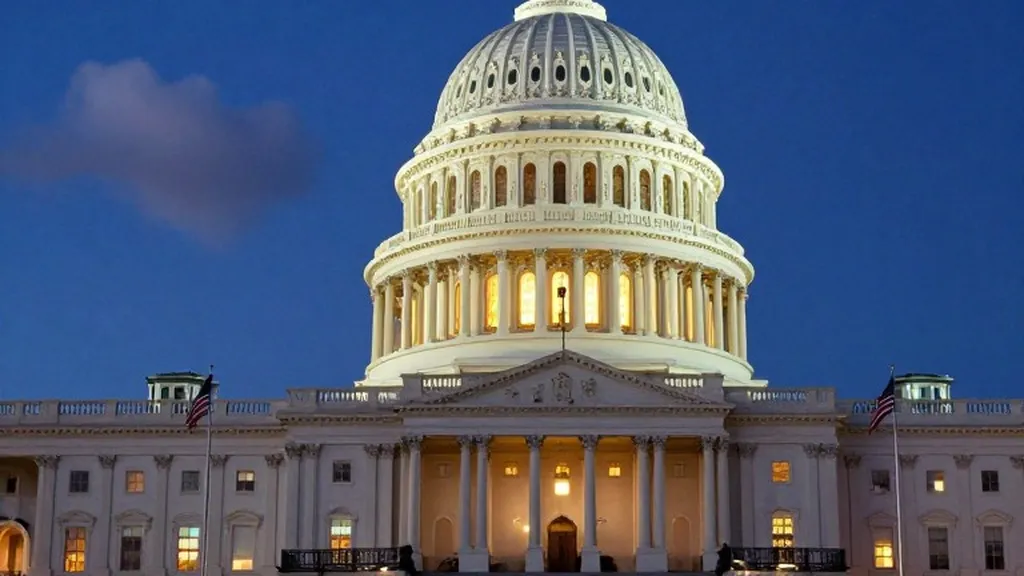
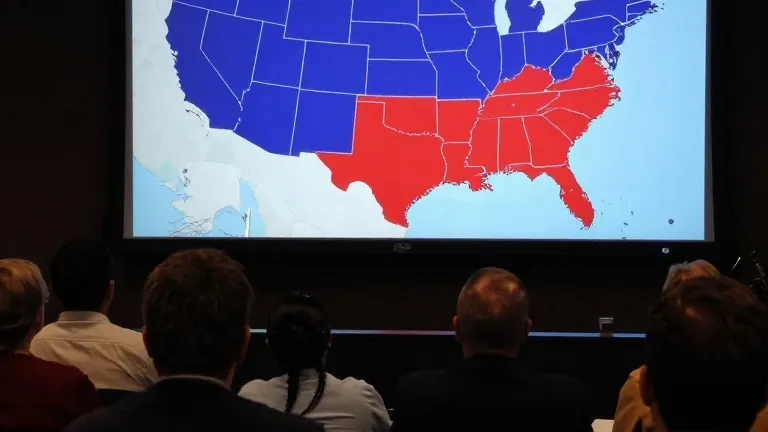
Democrats have taken full control of Congress in a decisive midterm victory, ending two years of unified Republican control and setting the stage for a divided government. The Associated Press confirmed that Democrats won 233 of the 435 U.S. House seats, a net gain of 30 seats. In the Senate, Democrats secured 20 of the 35 contested seats, gaining control of the chamber despite two races remaining uncalled. This result marks a fundamental reshaping of power in Washington, with the new majority poised to challenge President Donald Trump's agenda.
The sweep extended beyond the federal level, with Democrats capturing the governor's office in Texas for the first time since the 1990s. Gina Hinojosa won the race, becoming the state's first Democratic governor since Ann Richards. This historic win was accompanied by a Democratic takeover of the Texas House of Representatives, which Republicans had controlled since 2002. The Associated Press noted that this shift breaks a long-standing Republican hold on the state's most powerful legislative chamber, signaling a significant realignment in one of the nation's largest states.
President Donald Trump acknowledged the results on Wednesday, though he focused heavily on his White House ballroom construction project during a press event. He stated that if he had been on the ballot, he would have won in a landslide, attributing the losses to voters not liking the specific Republican candidates. The AP Voter Poll indicated that about 6 in 10 voters disapprove of how Trump is handling the presidency, a sentiment that appears to have driven the Democratic surge. Trump also suggested that the war in Iran and rising fuel prices played a role in the election outcome.
House Democratic Leader Hakeem Jeffries, who is expected to become the first Black speaker of the House, pledged to deliver on the mandate for change. He emphasized that the party heard voters' concerns about the cost of living, high gas prices, and the need for economic opportunity. Jeffries outlined a 100-day agenda that includes efforts to lower the costs of goods and services, as well as bills to reverse cuts to healthcare programs. He also hinted at a robust oversight agenda to hold the executive branch accountable.
The loss of the Senate ends an era of rapid judicial appointments for the Republican Party, which had used its previous majority to reshape the federal courts. With Democrats now holding the majority, the pace of judicial confirmations is expected to slow, and the chamber may take a more active role in checking presidential power. The AP noted that the new Senate majority includes wins in historically Republican states such as South Carolina and Kansas, where Democrats had not elected a senator since 1932.
Statewide results show Democrats gaining full control of government in at least five states where they previously shared power. In Wisconsin, Democrats flipped both chambers of the state Legislature, breaking a 16-year Republican majority. The Associated Press reported that Democrats also won or retained full control in Michigan, Minnesota, and Pennsylvania, securing trifectas in all three states. In Nevada, the party gained control by winning the governor's seat and retaining the legislature.
The Republican Party had hoped that mid-decade redistricting in eight states would help them retain the House. However, the AP reported that this strategy fell flat, with Republicans losing most of the Democratic-held seats they had targeted. In Texas, redistricting may have mobilized additional Democratic voters, contributing to the party's gains in the statehouse. Mark Jones, a political science professor at Rice University, said that when considering why Democrats won, it is largely due to one man in the White House and his policies.
Voters expressed frustration over the economy, with three-quarters saying it is not so good or poor according to the AP Voter Poll. About 8 in 10 said inflation has caused severe or moderate financial hardship for their households. These economic concerns were cited as crucial factors in their voting decisions, outweighing other issues such as immigration enforcement and the war in Iran. The results suggest that middle-class voters prioritized kitchen-table issues, demanding actionable solutions from their new representatives.
Democrats will face pressure to show results quickly, particularly in addressing high gas and grocery prices. The coming legislative session could see major efforts to lighten the tax burden on the middle class, relax housing regulations, and expand access to healthcare. In Texas, governor-elect Hinojosa has pledged to halt new data center projects, a move that injects uncertainty into a fast-growing market. This decision reflects a broader Democratic focus on balancing technological growth with environmental and economic concerns.
The election also saw significant shifts in state legislative chambers, with Democrats breaking or preventing Republican supermajorities in nine chambers across eight states. This means that in states like Iowa, Ohio, and North Carolina, Republicans will need help from Democratic lawmakers to override a Democratic governor's veto. The Associated Press noted that this is the biggest single-election change of partisan power in state governments since 2010, marking a significant turn in the tide for the party.
House Speaker Mike Johnson, who led the GOP during a tumultuous era with one of the slimmest majorities in modern history, will not seek reelection as House Republican leader. According to two people familiar with his plans, Johnson is stepping down following the party's deep losses. His departure signals a potential leadership shakeup in the Republican ranks as they regroup and prepare for the next cycle. The party will need to reassess its strategy in light of the widespread rejection of its candidates and policies.