Energy Policy: Trump Calls for AI Data Centers to Pay Local Dividends
The President has proposed a new mandate requiring hyperscalers to share excess power costs with nearby residents to mitigate rising utility bills and build community support.
By Julian Khan ·
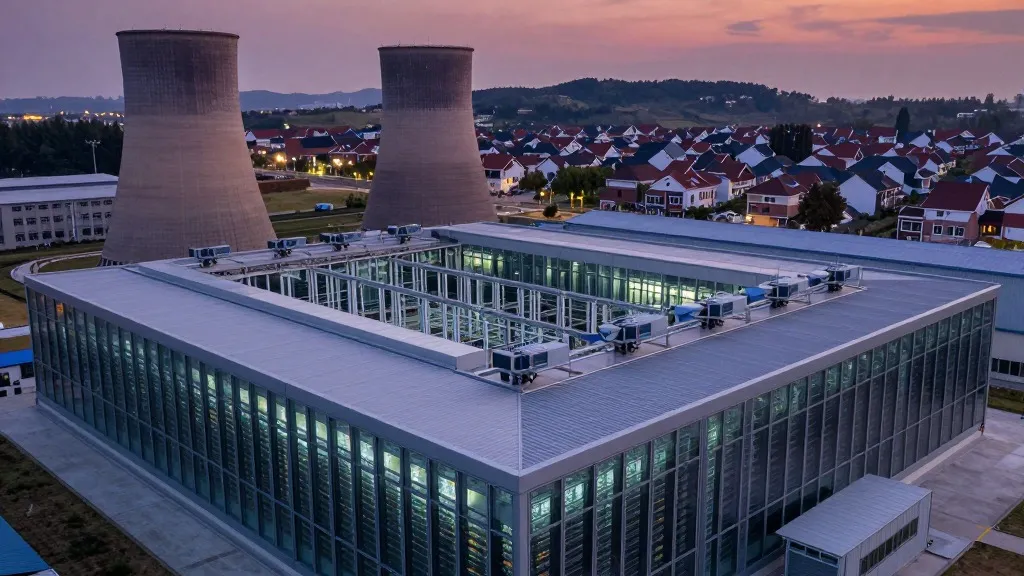
President Donald Trump has issued a directive calling for artificial intelligence data center operators and hyperscalers to provide financial dividends to local communities. The primary goal of this move is to offset rising energy prices or potentially lower them, making the massive infrastructure projects more acceptable to nearby residents. In a recent post on Truth Social, the President emphasized that these facilities should not only generate their own electricity, a requirement previously established by his administration, but also return excess energy or its value to the local grid.
This policy shift comes as tensions mount between tech giants and the small towns hosting their sprawling facilities. Communities across the United States have increasingly protested the presence of these centers, citing significant impacts on local life. Residents frequently report higher electricity bills, persistent noise pollution, water shortages, air quality concerns, and deforestation. These factors have made data centers a contentious issue in many rural and suburban areas, prompting local governments and citizens to demand tangible benefits in exchange for the infrastructure burden.
The Trump Administration is keen to maintain the United States' lead in the global AI race against China. To achieve this, the government is seeking to win back public favor by ensuring that data centers contribute directly to the well-being of the communities they affect. The specific mechanics of these dividends are not yet fully defined, but the focus on electricity suggests that payments may help cover the rising costs of power for households in the vicinity. This approach aligns with a recently passed act that requires data centers to cover the costs of grid upgrades, preventing those expenses from being passed on to local taxpayers.
In his social media statement, Trump noted that data centers which were once highly unpopular in certain areas became extremely popular once a financial deal was reached. He urged industry leaders to make these deals to expedite construction, writing in all caps: MAKE DEALS, and get them built!!! This directive aims to streamline the approval process by offering a clear financial incentive for local communities to support new builds rather than opposing them through litigation or local ordinances.
However, the term dividend raises questions among market observers. Traditionally, dividends are paid to shareholders only when a company is profitable. New data center builds often carry significant construction costs that take time to recoup, meaning these facilities may not be in a position to pay out regular dividends in the near term. Furthermore, the short-term power generation methods being installed to meet these mandates often rely on gas-powered generators. While these units provide immediate capacity, they are often noisy, inefficient, and polluting, which may not significantly improve the quality of life for residents living in close proximity to the sites.
The economic aspect is only one facet of the broader challenge. Even if financial compensation is provided, other major issues remain unresolved. Enormous water consumption, ecological damage, and general pollution continue to be significant hurdles. These factors make AI data centers a difficult sell for local governments and residents, regardless of monetary incentives. The success of this mandate will depend on whether the financial gains outweigh the tangible environmental and logistical downsides for the affected populations.
Analysts suggest that without strict regulatory requirements, companies may lack the incentive to deviate from the path of least resistance. The current proposal functions more as a gesture than a binding law, leaving the exact structure of the payments to be negotiated. If the dividends are not substantial enough to address the core grievances of residents, the strategy may fail to alleviate the friction between tech expansion and local community needs. The administration will likely monitor the initial responses to gauge whether this approach effectively accelerates the buildout of American AI infrastructure.
As the industry moves forward, the interplay between energy policy and community relations will be critical. The mandate sets the stage for a new era of negotiation between hyperscalers and local stakeholders. Whether this results in a sustainable model for data center deployment or merely a temporary fix to a growing problem remains to be seen. The coming months will provide early indicators of how these financial deals are structured and whether they deliver the promised relief to local utility rates.
Source: Tom's Hardware · original report published
More Business · Unethical Practices · Report a business · Got a Story?