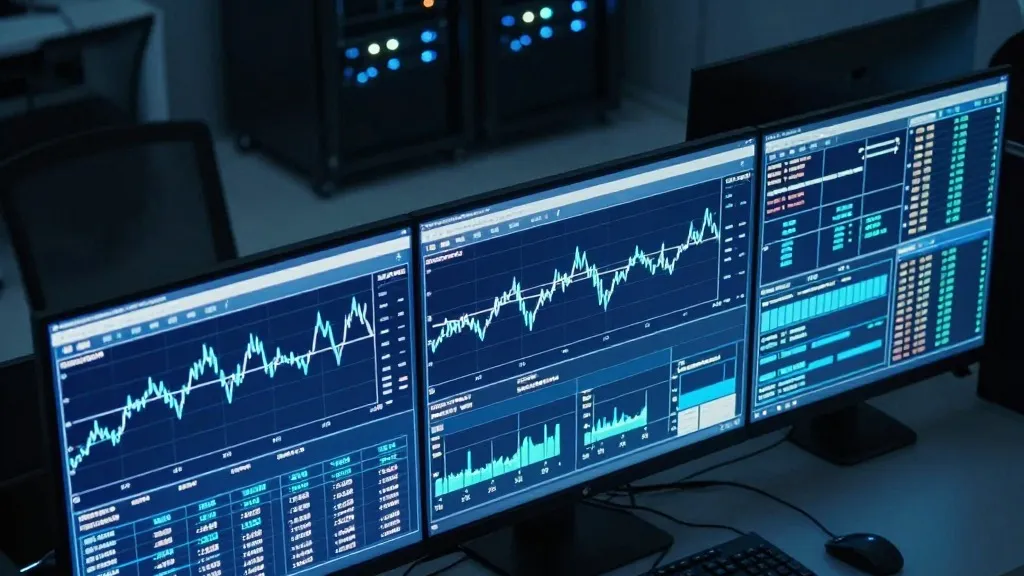
Tesla Q3 Profit Drops Despite Margin Gains
The electric vehicle maker reported flat revenue and lower net income as heavy spending on AI and new vehicles squeezed its bottom line.
By Claire Herrera ·
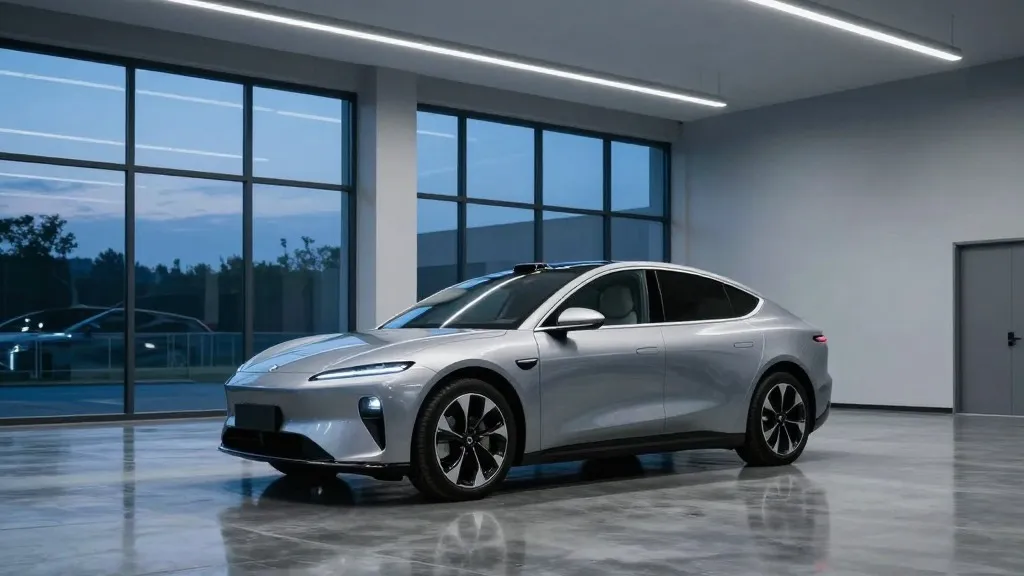
Tesla released its third-quarter financial results after the market closed on October 21, 2026. The company reported $28.05 billion in revenue, which was essentially flat compared to the same period last year. While this figure matched Wall Street expectations, the bottom line took a hit. Non-GAAP earnings per share came in at $0.48, beating analyst consensus but falling four percent year-over-year. On a GAAP basis, net income declined 43 percent to $787 million, or $0.22 per share.
The core issue remains profitability. Although automotive gross margin excluding credits recovered to 18.1 percent, operating income plummeted 56 percent to $718 million. This sharp drop is driven by a significant increase in operating expenses, which rose 39 percent to $4.78 billion. Research and development costs alone jumped 69 percent to $2.76 billion as Tesla pours money into its “Super Intelligence” AI, the Optimus robot, and the Cybercab. Stock-based compensation also increased, reaching $1.17 billion due to the CEO’s 2025 pay package.
Capital spending was another major factor affecting cash flow. Tesla invested $4.73 billion in the quarter, more than double the amount spent a year ago. This heavy expenditure reduced free cash flow to $1.53 billion, down from $3.99 billion in the prior year. Despite this, the company ended the quarter with $45.4 billion in cash and investments. GAAP net income was slightly boosted by a $288 million unrealized gain on bitcoin holdings, though this was partly offset by losses on its SpaceX investment.
On the operational side, Tesla delivered 486,532 vehicles, a 2.1 percent decrease year-over-year. The company attributes the flat sales volume to battery availability rather than lack of demand, claiming it has the largest passenger vehicle backlog in four years. However, average selling prices continued to fall, a trend less common for supply-constrained automakers. Energy storage deployments increased to 13.7 GWh, but revenue in that segment dropped 16 percent to $2.88 billion, largely due to tariff-related refunds.
Services and other revenue emerged as a bright spot, growing 33 percent to $4.61 billion. This segment achieved a record gross profit of $734 million, driven by charging, insurance, and parts sales. Meanwhile, autonomous driving metrics showed progress, with active FSD subscriptions reaching 1.74 million and Robotaxi services accumulating nearly 2 million unsupervised miles. The company maintains that battery supply remains the primary limiting factor for production, despite inventory levels dropping to 11 days of supply.
Looking ahead, Tesla has spent $13.01 billion on capital projects in the first nine months of 2026. This is only about half of the $25 billion annual target management set earlier in the year. To meet that goal, the company would need to spend roughly $12 billion in the fourth quarter, which would be more than double its highest quarterly spend so far. The shareholder letter did not update this guidance, leaving questions about whether the 2026 spending plan will slip into next year.
Source: Electrek · original report published
More Business · Unethical Practices · Report a business · Got a Story?