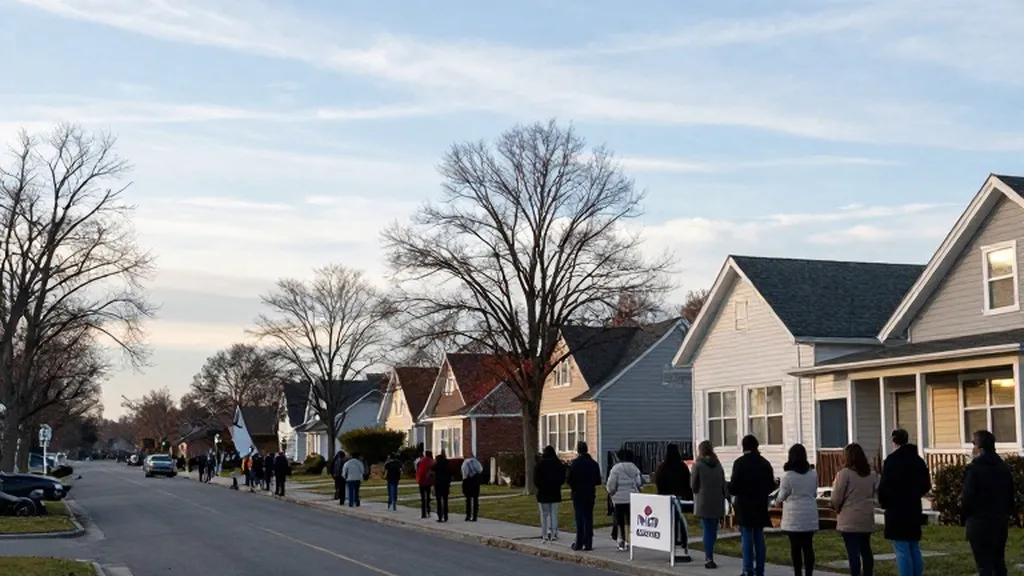
Breaking: Election Day is here! Make your selections for the fate of the midterms
Voters head to the polls on November 3, 2026, to decide which party controls Congress for the final two years of President Trump's second term, with high turnout and economic concerns driving the day's activity.
By Claire Herrera ·
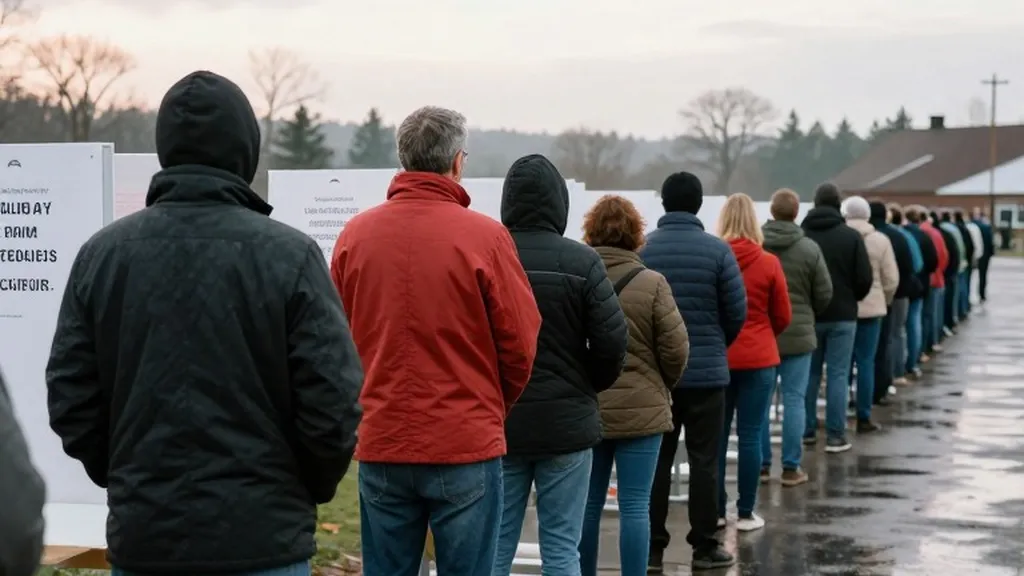
It is Election Day, Tuesday, November 3, 2026, and millions of Americans are casting their ballots to determine which party will control the U.S. House of Representatives and the U.S. Senate for the final two years of President Donald Trump's second term. According to the Associated Press, the day is being viewed as a referendum on the president's performance, with many voters expressing frustration over high prices and an unpopular war with Iran. The stakes are high, as the outcome will shape the legislative agenda and oversight capabilities in Washington for the remainder of the current administration.
RNC Chairman Joe Gruters emphasized the importance of voter participation in a statement regarding the day's proceedings. He stated that everything depends on turnout, asserting that if Republicans turn out their voters, they will win. This sentiment reflects the strategic focus of the Republican party as they seek to maintain their majorities in both chambers of Congress. The party has been bracing for potential losses in the House while fighting to hold the Senate, with the Associated Press noting that one or two seats could tip either chamber.
The U.S. House of Representatives is seeing all 435 seats up for grabs. Republicans currently hold 218 seats, while Democrats hold 214, with one independent and some vacancies. To gain a majority, Democrats need a net gain of three districts, whereas Republicans can afford to lose no more than two. Ballotpedia identifies 46 battleground districts, highlighting the competitive nature of the race. Many incumbents have stepped aside, with 60 House members not running again, creating open seats that could shift the balance of power.
In the U.S. Senate, 35 seats are on the ballot, including 33 regular elections and two special elections for the remaining terms of Marco Rubio and JD Vance. Republicans hold 53 seats, while Democrats hold 45, plus two independents who caucus with Democrats. Democrats need a net gain of four seats to achieve a majority, while Republicans can only lose two. Ballotpedia lists 13 Senate races as battlegrounds, with states like Maine, Iowa, and Kansas emerging as critical to the fight for control. The Associated Press notes that economic strain and tariffs have made states like Maine particularly competitive.
President Trump has been actively campaigning, holding dozens of rallies across the country. His final rally before the election took place on Sunday in Salina, Kansas, where he encouraged voters to pretend he was on the ballot. According to the Associated Press, the president has continued to make claims about voting fraud, including assertions that noncitizens vote in large numbers. His administration has also filed lawsuits in Alaska and California related to the certification of results and the handling of ballots, adding a layer of legal complexity to the election process.
Voter sentiment appears mixed, with the AP-NORC polling indicating that 35 percent of U.S. adults approve of Trump's job performance. Only 25 percent approve of his handling of the economy, and about seven in ten say the country is heading in the wrong direction. Most respondents blame the president for high prices. Mark Barker, a voter from Palm Beach Gardens, Florida, expressed support for the president, stating that he has been following Trump closely and believes he is doing an awesome job. This perspective contrasts with that of other voters who feel the financial burden is increasing.
James Moore, a 57-year-old librarian in Raleigh, North Carolina, shared his concerns about the cost of living. He noted that he is paying more in taxes, more for healthcare, and more for everything else. His comments reflect the broader economic anxiety that the Associated Press describes as a driving force behind the election. The president's party is facing a challenge to maintain its grip on power amid these financial pressures, with Democrats hoping to leverage this discontent to gain seats.
More than 57 million people had already voted as of Monday, surpassing the early vote totals from four years ago in many closely watched states. This high level of early participation suggests a strong engagement from the electorate. The U.S. Postal Service has added hours, staff, and special lines to ensure that mail ballots are counted on time. The Associated Press reports that the 2026 elections are likely to be the most expensive in history, with Republican committees outspending Democratic committees at the national level, though Democrats outraised their opponents at the candidate level.
The governor's races are also a significant focus, with 36 governorships up for election. Republicans currently hold 26 governor's offices, while Democrats hold 24. Democrats hope to hold a majority of governorships for the first time in two decades. Ballotpedia identifies several battleground states, including Alaska, Arizona, Georgia, Iowa, Kansas, Michigan, Nevada, Ohio, and Wisconsin. The Associated Press notes that the AP calls Texas, Florida, and Iowa competitive governor races, with key matchups including Rick Jackson versus Keisha Lance Bottoms in Georgia and Vivek Ramaswamy versus Amy Acton in Ohio.
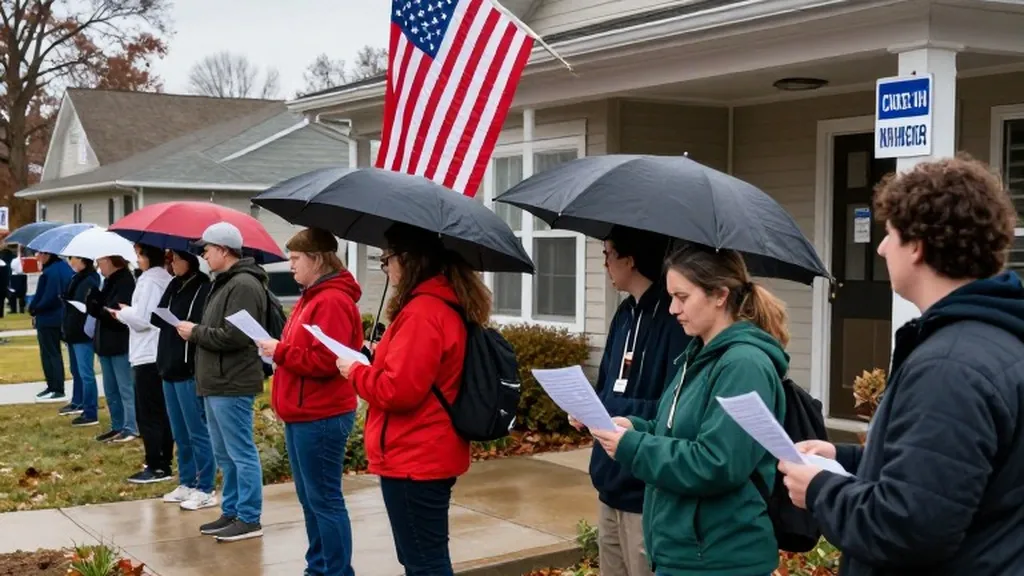
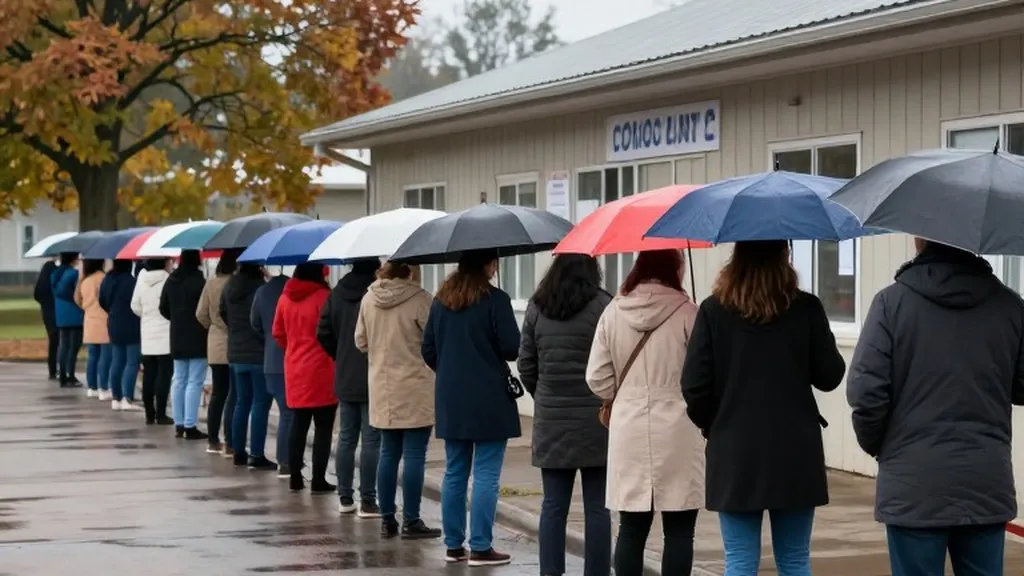
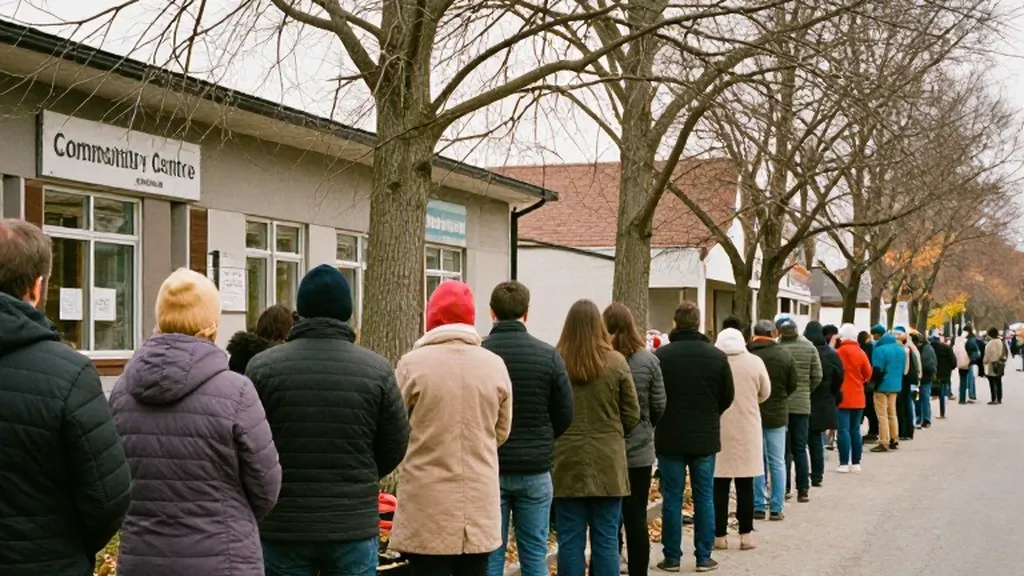
Voters can find their polling place by visiting vote.gov or checking their state election office. Poll hours vary by state, so it is important to check local times. For example, in Florida, polls are open from 7 a.m. to 7 p.m. Eastern and Central time. In New York, polls are open from 6 a.m. to 9 p.m. In California, polls are open from 7 a.m. to 8 p.m., though the state largely votes by mail. Anyone in line when polls close is entitled to vote, so voters should stay in line even if the closing time has passed. ID rules vary by state, so voters should check their state's specific requirements before heading to the polls.
The election also has implications for the future of the political landscape. If Democrats win even one chamber, investigations and possible impeachment proceedings become likely. House Democratic Leader Hakeem Jeffries would be the first Black speaker if his party takes the House, and he has outlined a 100-day agenda focused on the cost of living and oversight. A strong Democratic night could also boost potential 2028 candidates, including Gavin Newsom, JB Pritzker, and Pete Buttigieg. Conversely, a Republican hold could solidify the party's position for the next cycle.
Wall Street is also watching the results closely, as Reuters notes that the outcome could add to investor concerns about AI spending and debt ceiling negotiations. The stability of Congress will be a key factor for markets in the coming weeks. As polls open across the country, the focus remains on turnout and the economic issues that voters are weighing. The day's events will set the stage for the final two years of the Trump administration, with the balance of power in Washington hanging in the balance.