Record Spending: How Money and Turnout Decide 2026 Midterms
With polls open, the focus shifts to the historic financial edge held by Republican committees and the critical role of voter turnout in determining congressional control.
By John Price ·
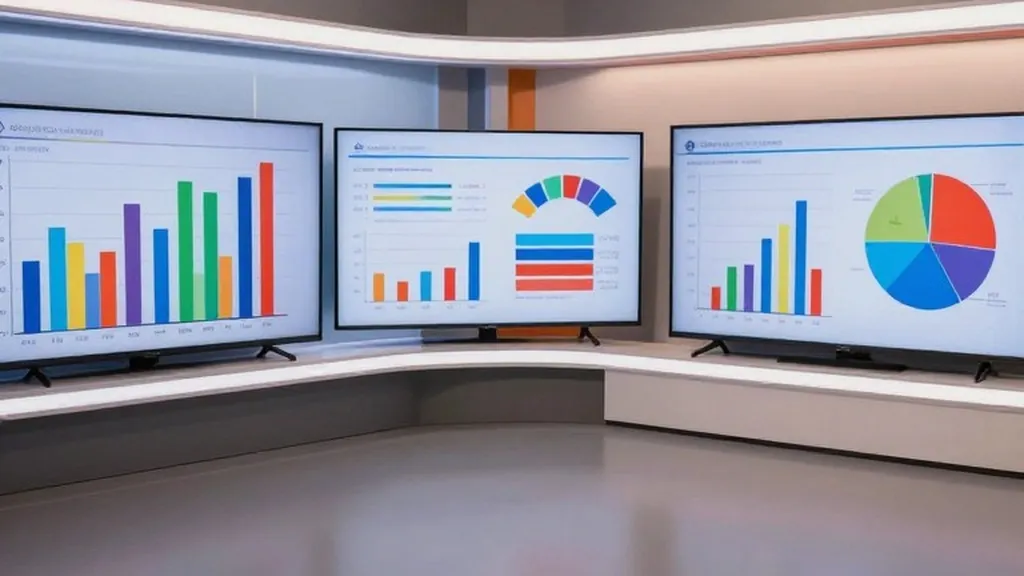
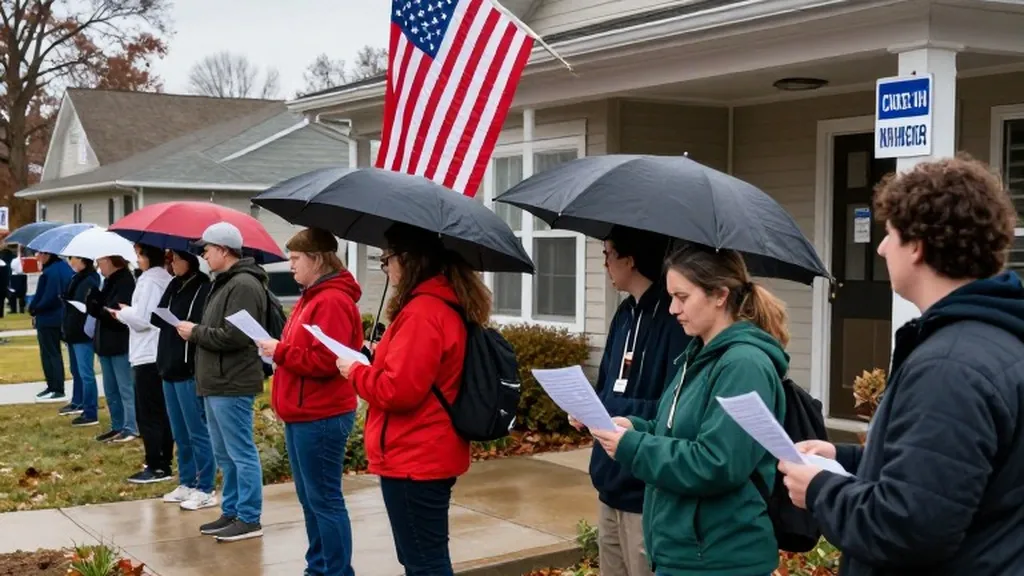
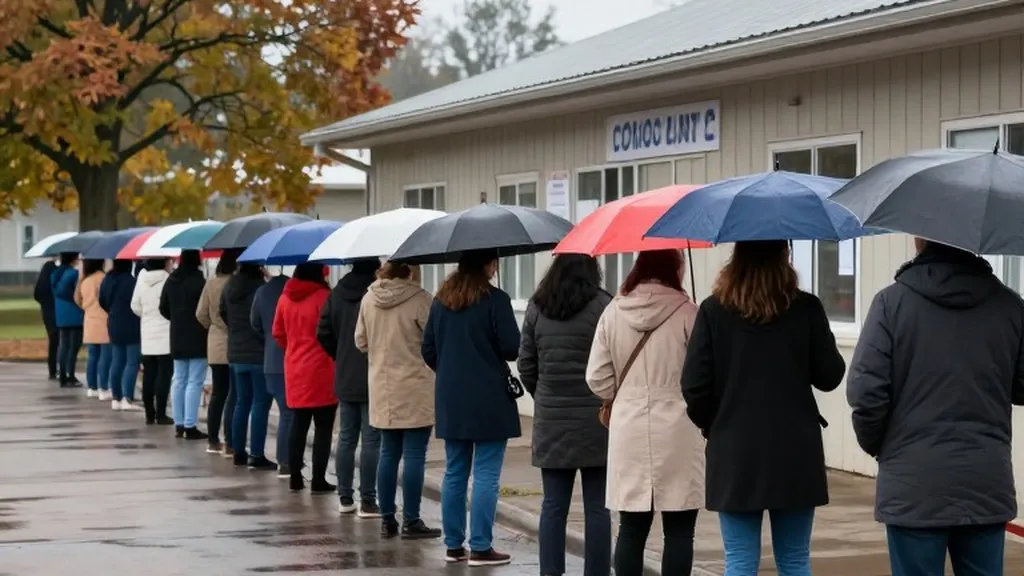
Voters across the United States are casting their ballots today in what analysts expect to be the most expensive midterm election in history. The campaign finance landscape for 2026 has been dominated by significant outlays from both parties, with the distribution of funds serving as a key indicator of where candidates believe the race will be decided. As polling places open from coast to coast, the flow of money into these contests has shaped the messaging and reach of candidates in all 435 House districts and 35 Senate seats up for election.
According to an analysis of AdImpact data by the Associated Press, Republican committees have outraised and outspent their Democratic counterparts at the committee level. This financial advantage has been bolstered by contributions from Trump-affiliated groups and high-profile donors such as Elon Musk. The data reveals that 88.1 percent of Republican general election television ad spending was directed toward states and districts that Donald Trump won in 2024. This strategic allocation highlights a focus on consolidating support in areas that already voted for the president.
A particularly large portion of this spending, exceeding 850 million dollars, was concentrated in states and districts where Trump won by ten points or more. This massive investment in solidly Republican territory suggests a strategy aimed at maximizing turnout among base voters to prevent the traditional midterm losses often seen by the president's party. The sheer volume of advertising in these areas reflects a desire to ensure that Republican candidates maintain their hold on districts where the margin of victory was comfortable in the previous presidential cycle.
However, the financial narrative is more complex when looking at individual candidates. While committees favored the Republican side, Democratic candidates outraised their Republican opponents at the candidate level. This divergence indicates that while party committees may have had access to larger war chests, individual Democratic campaigns were successful in raising significant funds to compete for local support. This dual-track approach means that voters in many districts have been exposed to intense advertising from well-funded individual candidates, even if the overarching party committee spending favored the other side.
The Associated Press describes the current election as a referendum on President Trump's second term, with many voters expressing frustration over high prices and the ongoing war with Iran. AP-NORC polling indicates that 35 percent of U.S. adults approve of the president's job performance, while only 25 percent approve of his handling of the economy. Approximately seven in ten respondents say the country is heading in the wrong direction, with most blaming the president for rising costs. These sentiments have fueled the candidate-level fundraising efforts by Democrats, who have positioned themselves as the alternative on economic issues.
Turnout remains the central variable that could offset or amplify these financial disparities. Joe Gruters, the chairman of the Republican National Committee, stated that everything depends on turnout, asserting that if they mobilize their voters, they will win. This perspective aligns with the heavy investment in areas where Trump won in 2024, as these regions are expected to provide the bulk of Republican votes. Conversely, Suzan DelBene, the chair of the Democratic Congressional Campaign Committee, noted that the American people are angry and want change, suggesting that Democratic fundraising efforts are aimed at energizing a base that feels the status quo is no longer acceptable.
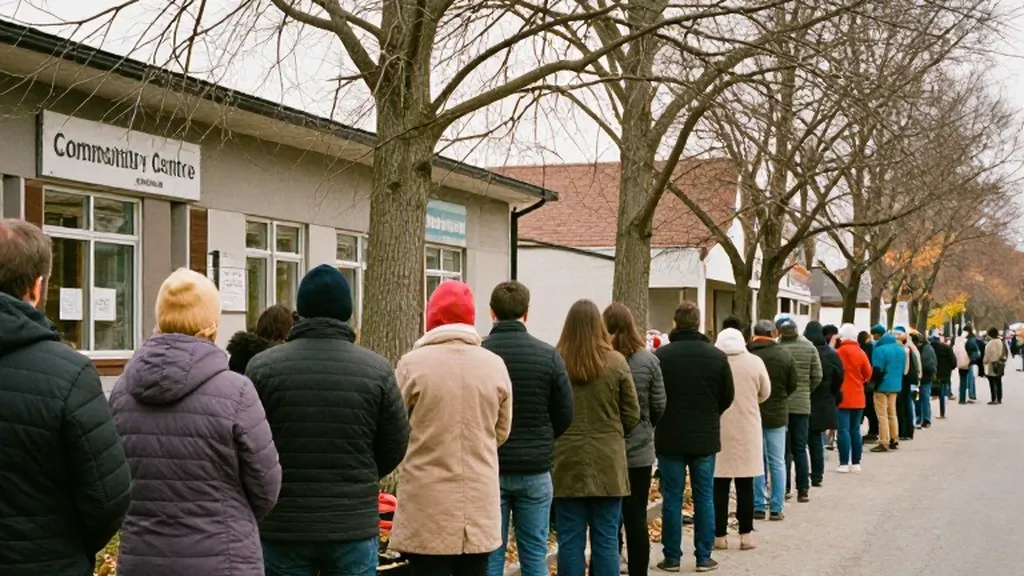
More than 57 million people had already cast their ballots before today, surpassing early vote totals from four years ago in many closely watched states. This early surge in participation suggests that voters are eager to weigh in on the direction of the country. The high level of early voting provides a foundation upon which candidates can build, reducing the uncertainty that often characterizes Election Day turnout. For Republican committees, which have invested heavily in specific districts, this early baseline is crucial for projecting final results and adjusting last-minute advertising strategies.
The distribution of funds also reflects the geographic stakes of the election. With 46 battleground districts identified by Ballotpedia, the focus of spending has been sharp. Republican spending in states like Florida, Texas, and Ohio, where new congressional maps are in effect, has been particularly intense. These states are critical for determining which party controls the House, as Democrats need a net gain of three districts to take the majority. The heavy advertising in these areas underscores the high stakes involved, with both parties aware that a single seat could determine the balance of power in the chamber.
In the Senate, where 35 seats are up for election, the financial dynamics have similarly influenced the race. Democrats need a net gain of four seats to achieve a majority, a tall order given the current seat distribution. The significant spending in states like Georgia, Michigan, and New Hampshire reflects the difficulty of this task. These states are often seen as competitive, and the substantial investment in television advertising demonstrates the belief that paid media can sway undecided voters. The financial resources deployed in these races are part of a broader effort to prevent a Democratic takeover of the upper chamber.
Voters are weighing these financial realities against their personal experiences with the economy and foreign policy. Mark Barker, a voter in Palm Beach Gardens, Florida, expressed confidence in the president's performance, while James Moore, a librarian in Raleigh, North Carolina, cited rising taxes and healthcare costs as primary concerns. These individual perspectives mirror the broader trends in polling and spending, where economic dissatisfaction drives Democratic fundraising and consolidation drives Republican committee spending. As polls close, the interplay between money and turnout will determine the final outcome.