Trump rallies and false fraud claims cast long shadow over midterms
The president’s active campaigning and legal actions against election officials have complicated a race where approval numbers and economic concerns drive voter behavior.
By Claire Herrera ·
President Donald Trump has positioned himself at the center of the midterm elections despite not appearing on the ballot in any state. As voters head to the polls on Tuesday, November 3, 2026, the president has held dozens of rallies in recent weeks to energize the Republican base. His most recent event took place in Salina, Kansas, where he urged supporters to think of him as the candidate. He told the crowd, "I really want you to pretend I'm on the ballot." This strategy aims to tie the performance of Republican candidates directly to his own popularity and agenda.
However, the president's direct involvement has created a complex dynamic for his party's nominees. Many Republican candidates have kept a deliberate distance from Trump during the final stretch of the campaign. This tactical retreat is partly a response to the president's low approval ratings, which have made some voters wary of being associated with his controversial policies. The Associated Press describes the election as a referendum on Trump's second term, with many voters struggling with high prices and expressing anger over an unpopular war with Iran.
Polling data reflects this ambivalence. An AP-NORC poll conducted recently found that only 35 percent of U.S. adults approve of Trump's job performance. His approval rating for handling the economy is even lower, at 25 percent. Approximately seven in ten Americans say the country is heading in the wrong direction, and most of those voters blame the president for rising costs. These numbers present a challenge for Republican committees, who are bracing for the possibility of losing the House while fighting to hold the Senate.
Compounding the tension are the president's continued claims about voting fraud. Trump has asserted that noncitizens vote in large numbers, a claim that has driven his administration to file lawsuits in states such as Alaska and California. The Justice Department has also threatened to prosecute local election officials, a move that has raised fears of interference and intimidation among Democrats. A federal judge temporarily barred the administration from executing a plan to prevent noncitizen voting, while another judge ordered the administration to stop demanding that California officials segregate ballots cast by people on lists of suspected noncitizens.
The administration's legal battles have added a layer of uncertainty to the election day process. In Alaska, the Trump administration filed a lawsuit related to the certification of the Senate result. These actions have drawn criticism from election officials who argue that federal interference infringes on state authority over elections. For Republican voters, the situation creates a split between loyalty to the president and a desire for a smooth, uncontested transfer of power in Congress.
Despite the friction, Trump remains a significant financial and organizational force in the race. Republican committees have outraised and outspent their Democratic counterparts, aided by Trump-affiliated groups and major donors. However, at the individual candidate level, Democrats have managed to match or exceed Republican fundraising in many districts. The 2026 elections are likely to be the most expensive in history, with a significant portion of Republican television ad spending directed toward states and districts that Trump won by large margins in the 2024 presidential election.
The outcome of the election will determine who controls Congress for the final two years of Trump's term. Republicans hold a narrow majority in the Senate and a fragile lead in the House. Democrats need a net gain of four Senate seats to take control, while Republicans can lose only two. In the House, Democrats need to gain three seats to achieve a majority. The stakes are high, as a Democratic victory in either chamber would likely trigger new investigations and oversight of the executive branch.
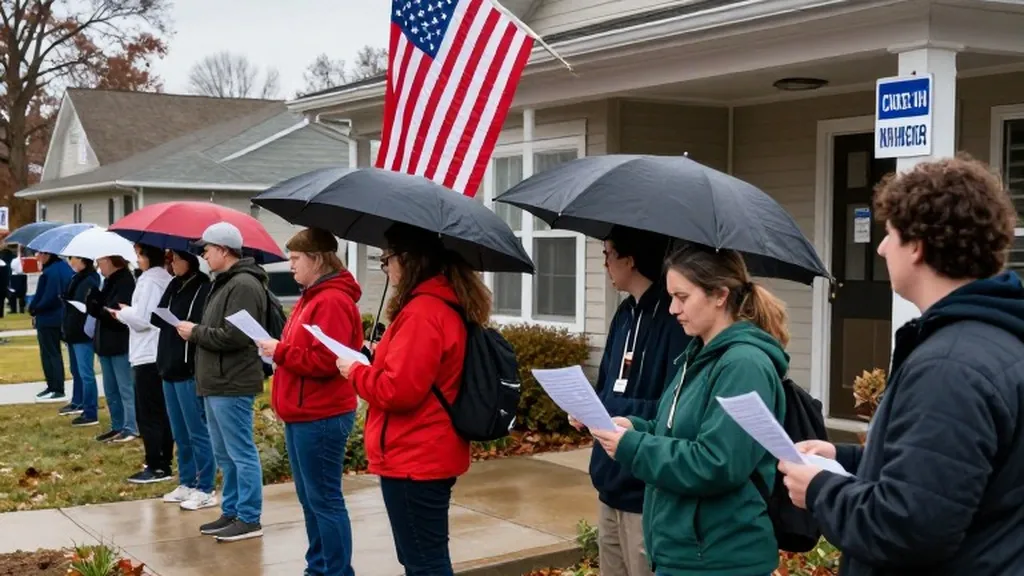
Voter sentiment on the ground reflects a mix of economic anxiety and political fatigue. In Palm Beach Gardens, Florida, one voter named Mark Barker said he has been following Trump closely and believes the president is doing an awesome job. In contrast, James Moore, a librarian in Raleigh, North Carolina, expressed frustration with the rising cost of living, noting that he is paying more for taxes, healthcare, and everyday goods. These divergent views highlight the national divide over the direction of the country.
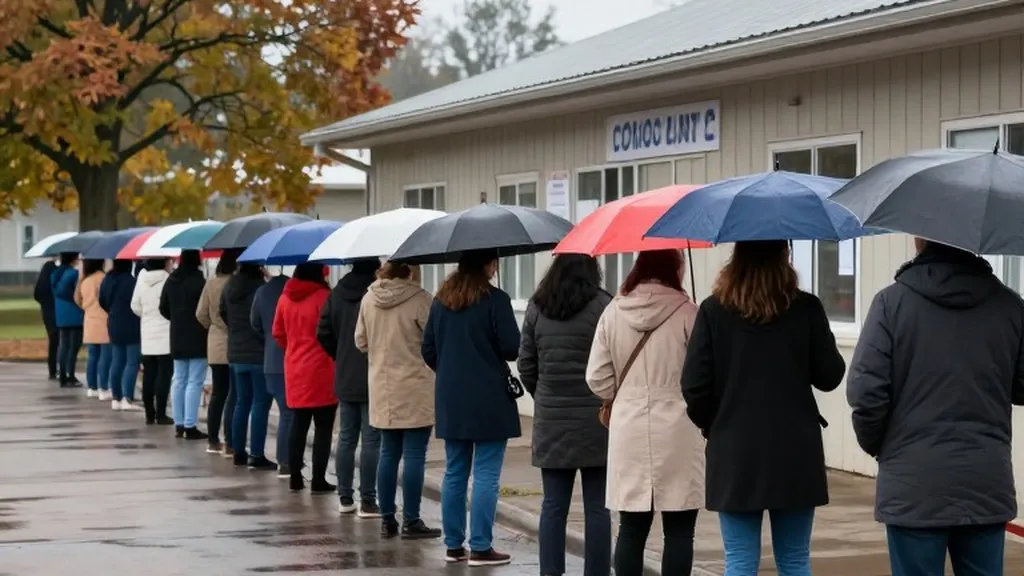
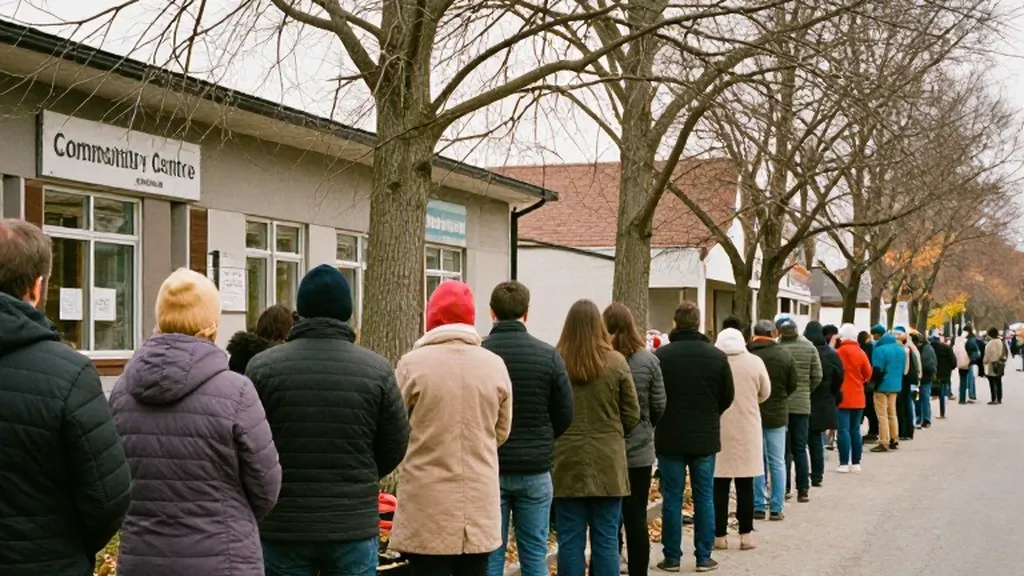
Turnout will be the decisive factor in many of the battleground states. Republican National Committee Chairman Joe Gruters stated that everything depends on voter turnout, arguing that if Republicans can get their base to the polls, they will win. Democratic Chair Suzan DelBene countered that the American people are angry and seeking change. With more than 57 million people having already voted as of Monday, early voting numbers are surpassing those from four years ago in many closely watched districts.
The election also carries implications for the 2028 presidential cycle. A strong Democratic performance could boost the profiles of potential candidates such as Gavin Newsom, JB Pritzker, and Pete Buttigieg. Conversely, a Republican hold on both chambers could solidify the path for Vice President JD Vance. As polls close across the country, the focus remains on whether the president's active role will unite the Republican party or further fragment its coalition in this critical midterm test.