Chefs Recommend Cheap Digital Thermometers to Stop Overcooked Meats
Lauren Allen and Kevin Gillespie explain why instant read tools under $20 are better than analog dials for home cooks.
By Julian Khan ·
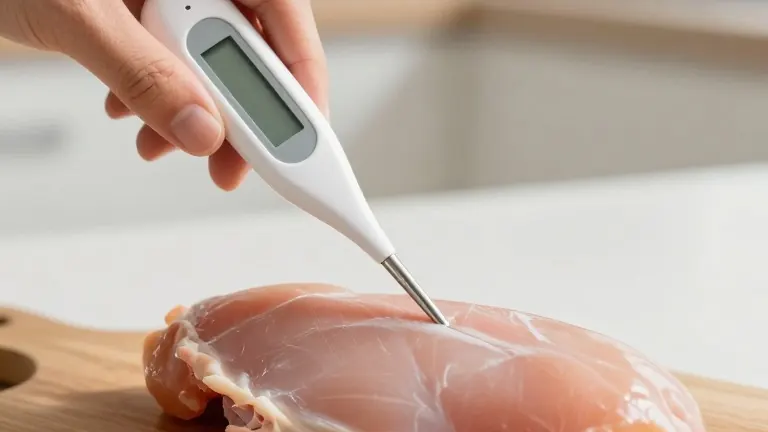
A meat thermometer costs less than twenty dollars and can save your dinner.
Lauren Allen, a chef and the owner of Lauren Allen Dinners, says the device checks internal temperature without cutting into the protein. Cutting opens the meat and lets juices escape, which dries the food out. Allen notes that using the tool keeps the meat juicier and cooked to your exact preference.
Kevin Gillespie, a chef with multiple James Beard nominations and a contributor to MeatEater, agrees on the technology. He states that digital thermometers are the standard for home use because they are quick and reliable. He adds that they work perfectly unless you forget to replace the batteries.
Both experts advise shoppers to look for a skinny probe. Allen explains that a larger hole causes more juice to flow out after testing. A thin probe minimizes this loss. Shoppers should also ensure the tool can handle high heat. Allen recommends a model that withstands at least 250 degrees Fahrenheit.
The market offers two main types for home kitchens. Probe thermometers stay inside the meat during the entire cooking process. Instant read thermometers are stuck in for a quick check and then removed. The chefs prefer instant read models because they are easier to use and provide fast, accurate data.
Recent product listings on major retail sites feature digital options with read times of two to four seconds. Many of these units have backlit LCD screens for visibility in dim ovens or at dusk. Some include magnetic backs for hanging on a fridge or storage sleeves with temperature guides.
Accuracy depends on where you place the tool. Allen instructs users to insert the thermometer into the thickest part of the protein. Avoid hitting bone, as this can skew the reading. Checking the thinnest part only confirms that specific area is cooked, not the whole piece. The center of the thickest section ensures the entire item is safe to eat.
Once you get a reading, remove the thermometer immediately. Instant read models are not designed to stay in the meat. Leaving them in can melt the plastic casing. After use, wipe the probe with soap and water. Do not submerge the entire device in water, as the digital display may not hold up to being soaked.
Target temperatures vary by meat type. Poultry must reach at least 165 degrees Fahrenheit to kill bacteria. For pork, Allen suggests 140 degrees Fahrenheit for good organic cuts, while Gillespie recommends 150 degrees. Beef steak temperatures range from 125 degrees for medium rare to 165 for well done. Fish requires specific research, with salmon generally done at 145 degrees and snapper around 130.
You can find these tools at Amazon, Walmart, and Target. Look for digital units with at least 4 stars from 1,000 ratings. A backlit screen and a Celsius or Fahrenheit toggle are common features. Some models include a reference guide for internal temperatures printed directly on the device.
Source: NBC News
More Business · Unethical Practices · Report a business · Got a Story?