Western Sahara: UN peacekeepers exit after Security Council veto
Morocco declares a diplomatic victory as the Minurso mission enters liquidation following a Russian rejection of a US draft extension.
By Julian Khan ·
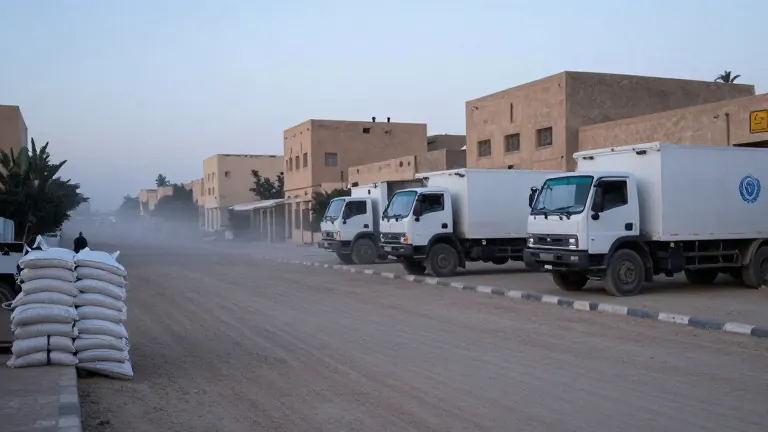
The United Nations formally ended its decades-long peacekeeping operation in Western Sahara on Sunday. A smaller team is now managing the transfer of equipment and assets as the mission enters liquidation. Morocco requested that all personnel and remaining gear depart within days. The Kingdom also asked for the dispute to be removed from the Security Council's agenda.
The mission, known as Minurso, lost its mandate on Saturday, October 31. This followed a failed vote at the Security Council on Friday. The US proposed extending the mission for another year. That draft would have dropped the word referendum from the mission's name. It also established Morocco's autonomy proposal as the sole basis for future talks. Eleven of the 15 council members supported the US plan. France and the United Kingdom were among the supporters. Russia cast the deciding veto. Moscow argued the draft favored Morocco too heavily. A competing Russian draft to retain existing terms received only two votes.
Morocco's royal palace welcomed the outcome. Footage from Laayoune, the territory's largest city, showed residents celebrating with Moroccan flags and portraits of King Mohammed VI. House of Representatives Speaker Ahmed Touizi addressed a joint parliamentary session on Monday. He called the end of the mission a diplomatic victory. He urged lawmakers to push for the implementation of the autonomy plan and related development projects.
Western Sahara was under Spanish rule until 1975. Morocco and Mauritania both claimed the territory as Spain withdrew. The International Court of Justice recognized historical allegiances but found no overriding sovereignty for either side. Spain transferred administrative control to both countries without resolving final status. Mauritania dropped its claim in 1979. Morocco continued fighting the Polisario Front, which seeks independence.
The UN created Minurso in 1991 after a ceasefire ended 16 years of war. The mission was tasked with monitoring the truce and organizing a referendum. That vote, planned for 1992, never occurred because the parties could not agree on voter eligibility. Polisario announced a return to armed struggle in November 2020.
Morocco's 2007 autonomy plan would give Sahrawis control over internal affairs. Rabat would retain control of defense and foreign relations. Polisario and its ally Algeria rejected this plan. They insisted that independence must remain a referendum option. In 2025, the Security Council backed autonomy as the most feasible solution. The closure of Minurso does not change the territory's legal status. It also does not constitute international recognition of Moroccan sovereignty. Western Sahara remains on the UN's list of non-self-governing territories.
UN Secretary-General Antonio Guterres urged respect for Sahrawi self-determination. He warned that hostilities could resume. Oxfam warned that removing monitoring efforts could damage stability. The group noted serious consequences for civilians. Moroccan expert Issam Laaroussi said the departure could give Rabat more scope to advance autonomy. He also noted potential security gaps.
Polisario condemned the American draft. Its representative, Sidi Omar, thanked Russia for blocking it. Moroccan Foreign Minister Nasser Bourita stated that the closure does not end the ceasefire. He affirmed Rabat's commitment to the arrangement, subject to respect for security and sovereignty. Polisario has not announced its next steps. Renewed fighting could draw in Algeria. That country supports Polisario and hosts its leadership and thousands of Sahrawi refugees near Tindouf.
Source: BBC News