GM and Ford Face $2 Billion Cost Hit as Materials Prices Climb
Tariffs on steel and copper, along with high diesel and chip costs, are eroding profits for Detroit automakers despite strong truck sales.
By Julian Khan ·
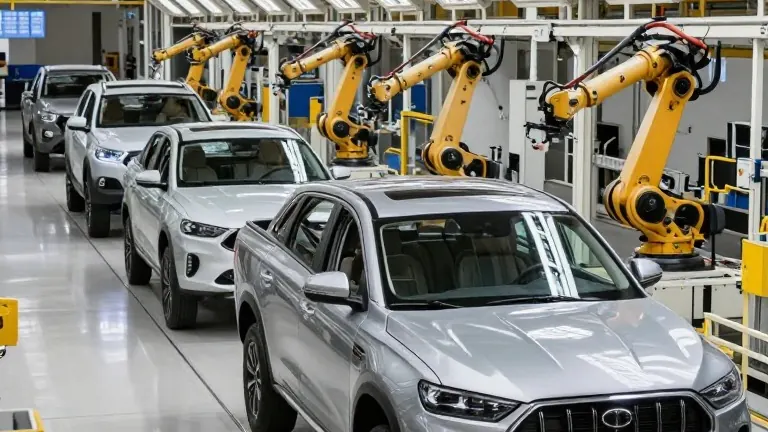
General Motors projects that rising costs for materials and logistics will cost the company as much as $2 billion this year. The automaker cited increased prices for computer chips, diesel fuel, and raw materials as the primary drivers of the expense. Ford Motor Co. reported a similar figure, expecting commodities, memory, and logistics costs to create a year-over-year headwind of approximately $2 billion.
These rising expenses come as the three major U.S. automakers report third quarter earnings. While revenues have increased across the board, the industry faces significant pressure on profit margins. General Motors saw revenue rise by 2.9% compared to the previous year. Ford reported a 2% increase, and Stellantis posted a 1% gain.
Consumer demand for large vehicles remains strong, providing a revenue cushion against these costs. General Motors reported a 9% year-over-year increase in light-duty truck sales. Stellantis saw U.S. pickup sales climb by 34%. Ford's F-Series continues to serve as a top seller for the company. The average transaction price for a new vehicle reached just over $50,000 in September, a figure close to a record high according to Kelley Blue Book.
Sherry Ann House, Ford's chief financial officer, noted on an investor call that customers remain resilient despite higher fuel prices, interest rates, and inflation. She stated that the company is not seeing a drop in demand for trucks or fleet vehicles. However, the cost to move those vehicles is increasing. The average price for a gallon of diesel hovered around $6.35, just below its September all-time high.
Diesel costs impact the supply chain because parts frequently cross the border between the U.S. and Canada multiple times during the manufacturing process. Higher fuel prices make this transit more expensive. Additionally, tariffs imposed by the Trump administration on imported steel, aluminum, and copper have raised the price of key vehicle components. GM is paying about $2.5 billion in tariff costs this year, a figure that is lower than earlier forecasts due to refunds.
Computer memory chips have also become more expensive due to tight supply chains and high demand from the artificial intelligence sector. Antonio Filosa, CEO of Stellantis, described the higher prices for memory chips and raw materials as an industry-wide phenomenon. Paul Jacobson, GM's CFO, warned that maintaining these price levels makes planning for next year more challenging.
The industry is also adjusting to the end of the $7,500 federal tax credit for electric vehicles, which expired on September 30, 2025. General Motors reported that its third quarter sales fell 6% year-over-year, partly due to a smaller EV market. Jacobson said the company is right-sizing its capacity to align with current demand. He expects EV penetration to rise as oil and fuel prices remain high.
Hybrid vehicles are gaining traction as a middle ground. Sales of hybrids increased by 27% in the past year, according to Edmunds data. Ford plans to offer the Fathom, an electric truck priced under $30,000, as a pre-order in early 2027. Meanwhile, Tesla has reclaimed a leading position in the U.S. EV market. Almost 52% of new EV sales in the U.S. have been Teslas this year, a recovery from losing the majority lead in 2024 and 2025.
Elon Musk, CEO of Tesla, emphasized the company's focus on new technologies such as robotaxis and humanoid robots during the earnings call. He indicated that special committees at Tesla and SpaceX are discussing a potential merger. Musk said he believes a merger would be a good idea, provided shareholders support it. The company's capital expenditures are nearly double what they were at this time last year.
Source: WCBE
More Business · Unethical Practices · Report a business · Got a Story?