Ohio Assembly: 1982 milestone marks first Japanese car built in the U.S.
Honda's Marysville facility launched the era of foreign automakers manufacturing vehicles on American soil.
By John Price ·
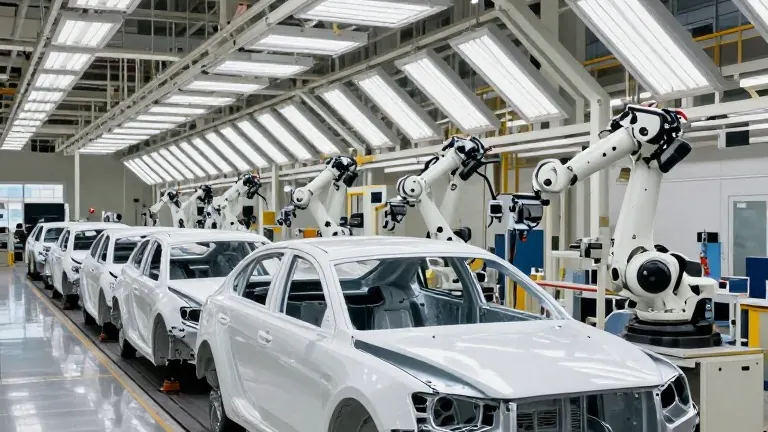
The first Japanese car assembled in the United States left the production line on Nov. 1, 1982. The vehicle rolled out of the Honda manufacturing plant in Marysville, Ohio. This event concluded a period of import-only sales for the Japanese automaker in the American market.
Honda selected Ohio as its site for North American production in the late 1970s. The company sought to establish a local supply chain and workforce. The Marysville facility became the headquarters for Honda’s North American operations. It served as the launchpad for the company’s expansion into the U.S. retail sector.
The move represented a shift in the global auto industry. Prior to 1982, Japanese manufacturers primarily exported finished vehicles to the United States. By building locally, they reduced shipping costs and tariffs. This strategy allowed them to compete more directly with domestic General Motors, Ford, and Chrysler divisions.
The historical record notes several other major events occurring on Nov. 1. In 1512, Pope Julius II inaugurated the ceiling of the Sistine Chapel. The artwork, painted by Michelangelo, depicts biblical scenes including the creation of the world and the story of Noah. The inauguration marked the completion of a four-year project.
In 1765, the Stamp Act passed by the British Parliament went into effect. American colonists resisted the tax heavily. This resistance contributed to the growing tensions that led to the American Revolution. In 1800, President John Adams and his wife Abigail moved into the White House. The mansion was still unfurnished and largely unfinished when they arrived. They lived there for less than five months before Thomas Jefferson took office in March 1801.
In 1993, the Maastricht Treaty took effect. This agreement established the European Union. It created a new framework for economic cooperation among member states. The treaty laid the groundwork for the single currency adopted later in the decade. It remains a cornerstone of European political and economic integration.
Today is Sunday, Nov. 1, the 305th day of 2026. There are 60 days left in the year.
Source: The Reporter
More Business · Unethical Practices · Report a business · Got a Story?