Peanut Allergy Rates Fall 43% After Infant Diet Guidelines Shift
Dr. David Hill attributes the decline in childhood allergies to the adoption of early food introduction practices.
By John Price ·
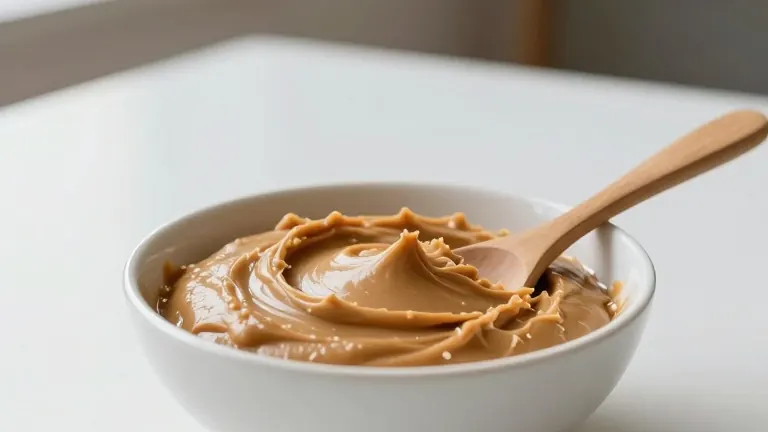
Medical advice regarding infant diets has shifted, leading to a measurable decrease in peanut allergies among young children. A study released in October 2025 found that rates of peanut allergy in children under three years old dropped by approximately 43% over the last ten years.
The decline coincides with a reversal in standard pediatric guidance. Previous recommendations often advised parents to delay introducing peanut products to infants to prevent allergic reactions. Current evidence suggests that introducing these foods earlier, specifically between four and six months of age, may lower the risk of developing an allergy. Dr. David Hill, the lead author of the study, identifies this change in guidance as a primary driver of the statistical drop.
Hill estimates that tens of thousands of children today avoid food allergies because of these updated recommendations. He stated, “It’s safe to say in all likelihood, there are tens of thousands of kids today that don’t have food allergy that may have if we hadn’t made these recommendations about early allergen introduction.”
For families who already face these challenges, the condition can feel unexpected. Kristie Herring, whose son Parker suffered from a severe peanut allergy, described the diagnosis as a “total surprise” considering their family history. Parker has since begun oral immunotherapy, a treatment protocol that involves slowly increasing doses of peanut protein. This process has allowed him to safely consume peanut butter again.
The American Academy of Pediatrics now advises early introduction of peanut products for all infants who do not have a history of prior reactions. This recommendation applies to children who are already eating other solid foods. Pediatricians suggest starting with small amounts and feeding peanut products at least twice a week throughout the first year. Parents are instructed to avoid giving whole peanuts to infants due to choking hazards.
Experts note that early introduction is not a universal cure. Food allergy remains a complex condition with multiple causes. For children who have already developed an allergy, specialists recommend consulting an allergist to manage the condition and explore available treatment options.
Source: WXIX-TV