
SpaceX declines three military launch deals
The company turned down offers from the US Space Force while discussing complex fueling requirements for future lunar missions.
By John Price ·
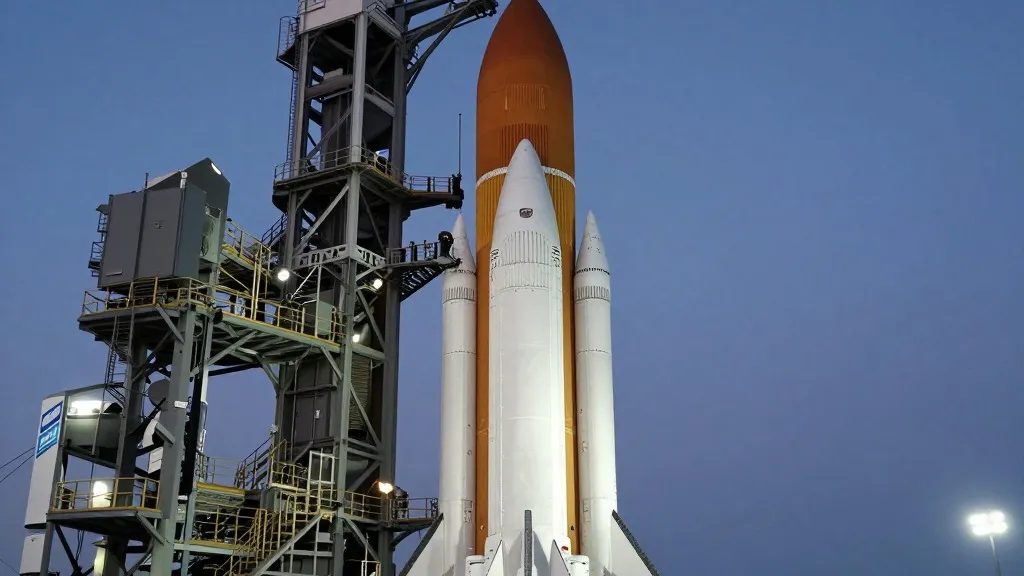
SpaceX has formally declined three launch contracts offered by the United States Space Force.
The decision was announced this week and stands out as a significant shift in the commercial space sector. The company chose to pass on the military work, a move that surprised many observers in the industry. This refusal comes despite the steady growth of government procurement in the launch market.
On the civil side of its operations, the focus remains on the Starship vehicle. A NASA safety panel recently issued guidance regarding the lunar landing program. The panel indicated that the vehicle might require up to 22 refueling operations in orbit to support a crewed mission to the Moon. This high number of propellant transfers adds a layer of complexity to the mission architecture. Engineers must now plan for extensive in-space logistics to ensure the vehicle reaches its destination with sufficient fuel.
While the US industry debates these major developments, international efforts continue to advance. PLD Space, a company based in Spain, reported progress on its Miura 5 rocket. The firm stated that the vehicle is nearing final integration. This small-lift rocket is scheduled to make its inaugural flight next year. The company has already manufactured three of these rockets. Two of them are being used to qualify key system elements. Only one is designated for the initial orbital attempt.
Raúl Torres, the CEO of PLD Space, provided a program update on October 19. He explained that building the three vehicles allowed the team to work continuously across different production stages. The company is applying lessons learned from each qualification campaign directly to the launch vehicle. One second stage is now fully integrated. This unit has begun system-level testing under representative operating conditions. The stage is currently located at the PLD test facility in Teruel. It will undergo a wet dress rehearsal and a static hot-fire test as part of its qualification campaign.
In Canada, Reaction Dynamics is moving forward with its own expansion plans. The startup is seeking to raise $350 million in new funding. This capital is intended to grow the company's staff from 68 to more than 350 people. Reaction Dynamics is developing the Aurora rocket, a small-lift vehicle. The company hopes to send Aurora into orbit by 2028. In addition to this near-term goal, the firm has announced plans for a medium-lift rocket named Borealis. The debut for Borealis is targeted for 2031.
These developments highlight the diverse pace of the global launch industry. Some companies are refining existing programs while others are scaling up rapidly. The next few years will see a mix of qualification tests and initial flights from multiple providers.
As SpaceX navigates its portfolio of missions, other firms aim to secure their place in the market. The coming months will bring more updates on both the European and Canadian rocket programs.
Readers can expect further details on these projects in upcoming reports. The industry continues to evolve with new milestones and funding announcements.
Source: Ars Technica · original report published