Tesla Locks In Year-End Launch for Cybercab Sales
The automaker confirmed it will begin delivering its driverless two-seater to private buyers before the end of 2026, though most units will remain in company-owned fleets.
By Claire Herrera ·
The wait for a definitive purchase window on Tesla’s driverless robotaxi has officially ended. During the company’s third-quarter 2026 earnings call held on October 21, executive leadership provided a specific timeline for when individual consumers can begin acquiring the long-awaited vehicle. This announcement cuts through months of market speculation regarding whether the autonomous model would remain strictly a fleet asset or become a viable retail product in the immediate future.
Lars Moravy, Tesla’s Vice President of Engineering, stated that the company is targeting a delivery date for customer-owned Cybercabs before the close of the current year. He noted that production is already active on the assembly line at Gigafactory Texas. However, he clarified that current output is being funneled entirely into Tesla’s internal Robotaxi fleet. Moravy indicated that as operational scale increases, the strategy will shift toward delivering fully designed autonomous vehicles directly to the market, with the Cybercab serving as the inaugural model in this new category.
Elon Musk, the company’s CEO, reinforced the idea that private ownership will be a niche segment of the Cybercab’s total addressable market. He characterized the vehicle primarily as a "transport-as-a-service" offering, distinguishing it from traditional personal ownership models like the Model 3 or Model Y. "The vast majority of the Cybercab stuff will be Tesla-owned and transport-as-a-service," Musk said. This positioning suggests that while retail sales will commence, the bulk of the fleet will remain under corporate management to optimize ride-sharing efficiency.
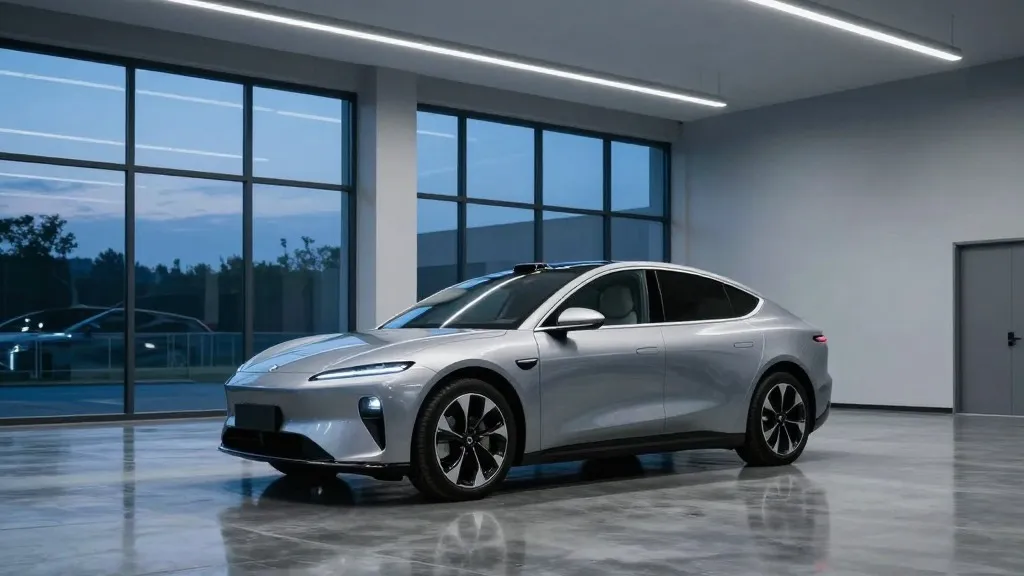
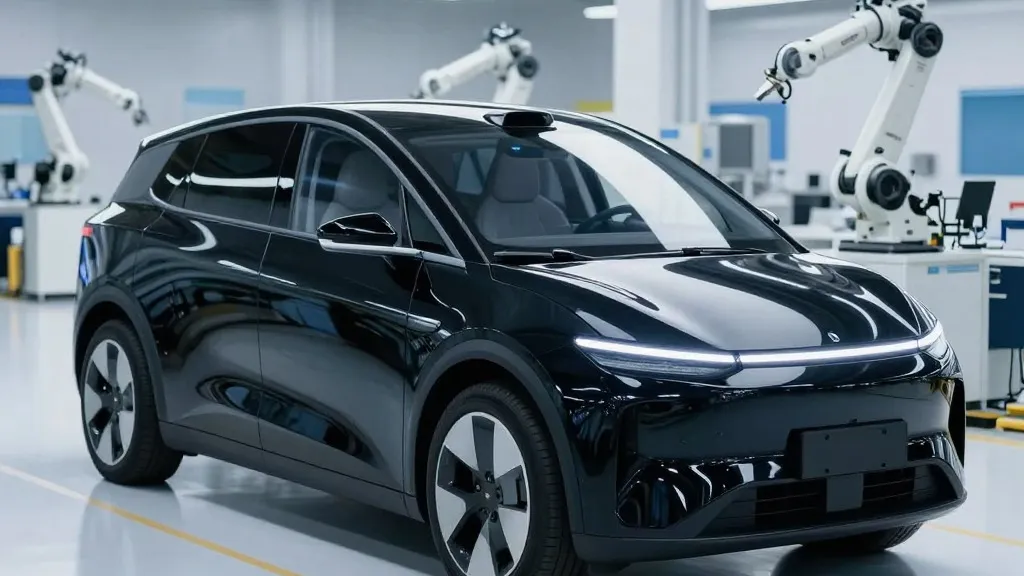
The Cybercab is a two-seater configuration that omits traditional controls such as a steering wheel and pedals, relying entirely on Tesla’s Full Self-Driving software suite. Production of the vehicle began in February of this year. Initial units were integrated into the public-facing Robotaxi service in early September, marking the start of commercial rides for the general public. Tesla has previously suggested a target price point of approximately $30,000 for the vehicle, positioning it as a cost-effective option for both fleet operators and individual buyers.
Despite the confirmed timeline, several operational and regulatory hurdles remain. Initial customer deliveries are expected to start on a small scale while the company refines its logistics, ownership structures, and fleet management protocols. Ashok Elluswamy, Tesla’s Head of AI, indicated that unsupervised Full Self-Driving capabilities are scheduled to ship to consumer cars during the second quarter of 2027. This gap implies that early Cybercab owners may face geographically restricted autonomous operation due to lagging regulatory approvals, meaning the vehicle's full potential may not be realized immediately upon purchase.
Source: Teslarati · original report published
More Business · Unethical Practices · Report a business · Got a Story?