Cincinnati Pharmacy Expands Free Drug Distribution to Ohio Clinics
St. Vincent de Paul is redirecting donated medication to free clinics statewide, addressing high prescription costs and waste.
By Claire Herrera ·
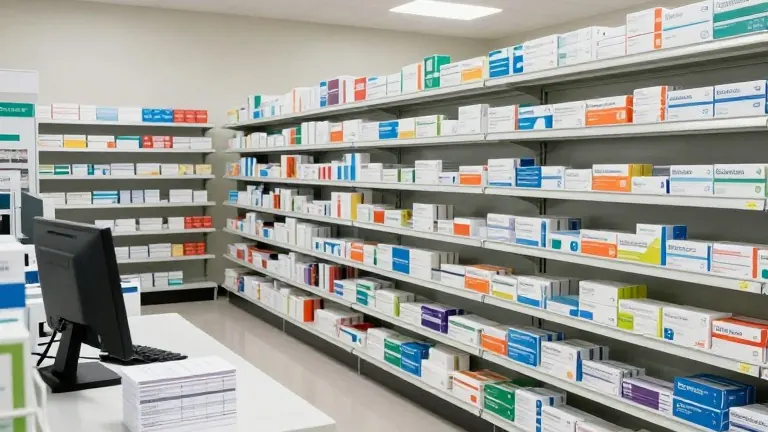
The St. Vincent de Paul charitable pharmacy in Cincinnati has filled more than one million prescriptions at no cost to patients. The organization is now expanding its operations to share medication with free clinics across Ohio through the state’s Charitable Healthcare Network.
Rusty Curington, the pharmacy’s vice president, describes the financial strain on families. He notes that community members often choose between purchasing a grandparent’s medication or paying for a child’s tuition. Curington calls these decisions devastating.
Surveys by the nonpartisan health policy group KFF indicate that six in 10 U.S. adults worry about affording prescription drugs. For many, rising costs lead to skipped doses or a complete lack of medication.
The expansion addresses a dual problem identified by Curington: excessive waste and high demand. Long-term care facilities frequently dispose of unexpired medications when patients improve or pass away. These drugs are often incinerated despite being safe for use.
The pharmacy, located in a former thrift store in Cincinnati, now stores approximately $9 million worth of donated medication. Donations come from nursing homes and private individuals. Pharmacists inspect each item to ensure it has not been tampered with or exposed to moisture. Technicians then sort the pills by expiration date.
Jenelle Hoseus, CEO of the Charitable Healthcare Network, explained that the initiative began as a pilot in Cincinnati. It has since grown into a distribution system for healthcare safety nets in Dayton, Canton, and Toledo. Participating organizations can access an online inventory monthly to order medication for their clients.
The majority of distributed drugs manage chronic conditions. However, the network also provides urgent supplies such as blood thinners, inhalers, and insulin. Hoseus stated that providing these medications reduces the frequency of expensive emergency room visits and hospital stays.
Currently, about one-fifth of the nearly 60 free clinics in the network participate in the program. Workforce capacity remains a barrier, as the network relies heavily on volunteers. Hoseus said the group is seeking grants to pay for additional pharmacists at distribution sites.
Nicole Lowe, a nurse in Dayton, exemplifies the impact of the program. She previously worked as a full-time registered nurse while caring for her aging mother. To gain flexibility, she took a job without health insurance, making her $700 monthly diabetes medication unaffordable. Her local free clinic now provides the drug at no cost through the resource-sharing program.
Lowe noted that managing her diabetes reduces the risk of heart disease, high cholesterol, and kidney disease. Curington said that access to medication allows people to work and avoids early retirement or death from untreated conditions. He hopes to provide medication to more sites as Medicaid changes threaten to leave more Ohioans uninsured.
Source: WVXU
More Business · Unethical Practices · Report a business · Got a Story?