Gaza Election: Residents Watch Polls Amid 65% Occupation
With a ceasefire in place since late 2025, Gaza residents track the Israeli vote while facing daily airstrikes and severe supply shortages.
By Claire Herrera ·
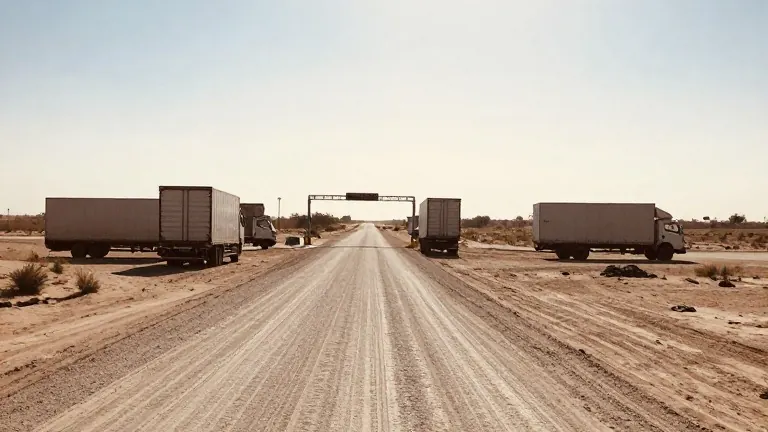
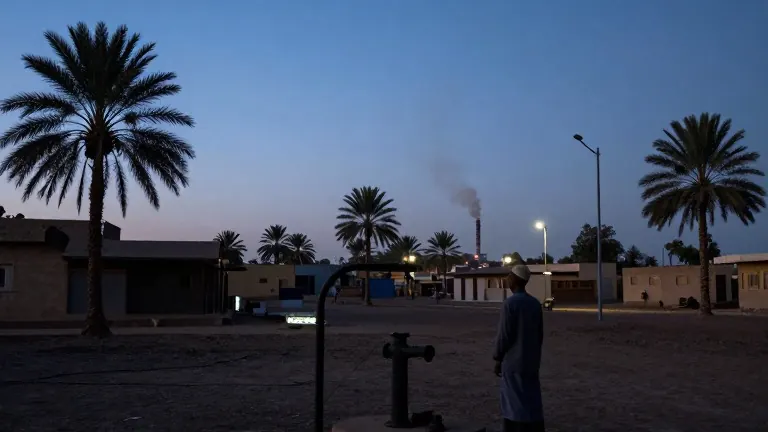
The Israeli general election scheduled for Tuesday has become a focal point for Palestinians in Gaza, who are monitoring the campaign with a blend of anxiety and cautious hope. Despite the territory operating under a ceasefire agreement reached in October 2025, the daily reality for many residents remains defined by frequent aerial bombardments and a persistent siege that limits the availability of essential goods.
The political stakes of this vote are inextricably linked to the ongoing conflict. Prime Minister Benjamin Netanyahu faces intense scrutiny regarding his government's security preparation prior to the Hamas-led attacks on October 7, 2023. Within his far-right coalition, several members have advocated for a more aggressive strategy in Gaza, specifically calling for the expulsion of the Palestinian population.
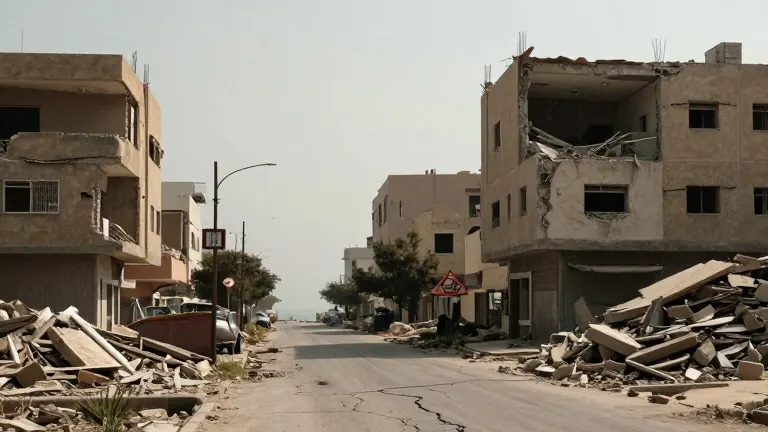
The timeline of the current crisis is marked by displacement and structural damage. The war began with the October 2023 attacks, leading to a prolonged conflict that resulted in the destruction of more than 80 percent of buildings in the territory. Of those damaged structures, approximately two-thirds are now completely destroyed. Israeli forces currently control about 65 percent of Gaza, a zone delineated by what residents call the Yellow Line.
Mohammed Eliyan, a 36-year-old father of five originally from the Jabalia refugee camp, now resides in Deir el-Balah. He supports Gadi Eisenkot, a former military commander and Netanyahu's primary challenger. Eliyan fears that a second term for Likud and its allies would result in further war and displacement, though he admits he does not anticipate a dramatic improvement. He stated, "They are still our enemy, and I don't expect things to improve dramatically," expressing a hope that the next leader might simply be less harsh.
Islam Salem, 41, a father of three displaced from Beit Lahiya, views the election through the lens of his children's future. He argues that the voting process primarily serves Israeli interests and that the approach to Gaza will remain consistent regardless of the winner. Salem pointed to the 65 percent territory control and doubted that reconstruction efforts would commence soon. He summarized the current state of existence with the words, "We live day by day. Everything we feared has already happened."
Hanan Abu al-Maaza, 57, has been displaced more than 12 times since the war began. For her, the election is driven by fear of worsening conditions under a new administration. She believes that a Netanyahu defeat increases the likelihood of her returning to her home in Beit Lahiya. Her sentiment reflects a widespread fatigue with the conflict, as she noted, "We have had enough of war and destruction. There is nothing left to destroy, yet the suffering continues."
Younger residents share similar views on the candidates. Manar Owaida, 23, displaced in the Tal al-Hawa neighborhood of Gaza City, prefers Eisenkot to Netanyahu, whom she considers more extreme. While she believes Israeli policy has been consistent for decades, she suggests a new government might ease the blockade and withdraw from areas beyond the Yellow Line. Her primary concern is that Netanyahu might initiate a broader regional war to alleviate domestic political pressure surrounding the vote.
Mousa Ali, 33, a father of four from Beit Lahiya, emphasizes the importance of the Yellow Line in determining whether displaced families can return to their homes. He hopes that Arab parties will secure a strong enough performance to influence the next government. Ali does not expect major shifts, believing a Netanyahu victory would extend displacement and Israeli control. His group shared a collective appeal for the next leader to end the war and stop the bloodshed.
The upcoming vote will determine the composition of the Israeli government that manages the siege and the occupied zones. Residents will wait for the results to see if the political leadership changes the status quo of the 65 percent occupied territory and the daily frequency of airstrikes.
Source: Al Jazeera