Midterm Results Reshape Conservative States, Putting Texas in Play for Democrats
Voters in long-time Republican strongholds elected Democrats to the Senate and governorships, signaling a major shift in the 2028 presidential race.
By Claire Herrera ·
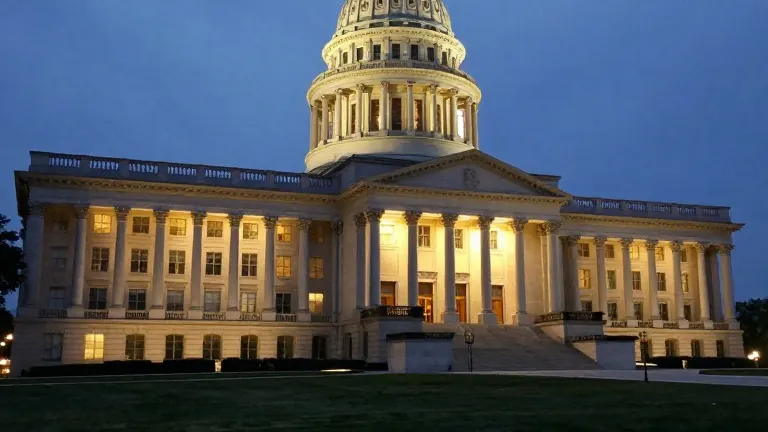
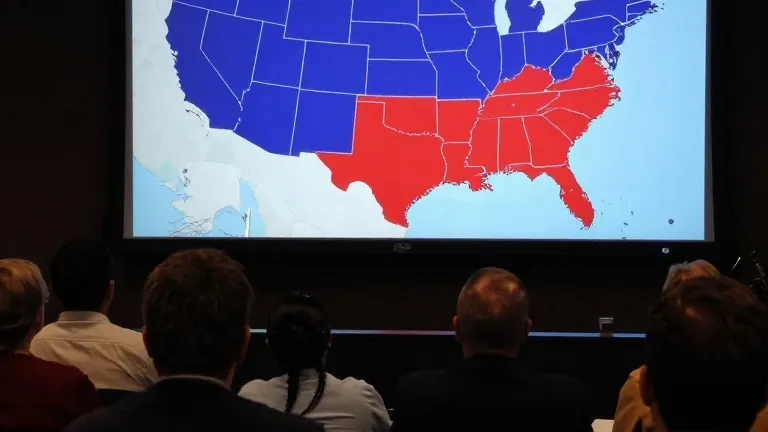
For ten years, the American political map has remained largely static, confined to a narrow set of swing states. That stability broke on Tuesday as voters in traditionally Republican territories elected Democrats to high office.
Kansas, South Carolina, Texas, Ohio, and Iowa all voted for Democratic candidates in U.S. Senate races. In several of these states, voters also chose Democrats for governor. These are states President Donald Trump won easily in the 2024 presidential election.
Texas stands out as a critical development. Democrats have not won a Texas Senate seat in 38 years. The party also defeated three-term Republican Governor Greg Abbott and took control of the state House. David Polyansky, a Texas Republican strategist, noted that the state holds 40 electoral votes, second only to California.
He stated that a genuine Democratic push for Texas would cost Republicans millions of dollars and significant manpower to defend. Joshua Huder, a political scientist at Georgetown University, argued that for Democrats to maintain these gains in red states, they must appeal to voters on issues like the farm bill.
Huder questioned whether the party is willing to compete in states like Kansas and Iowa, noting that such a move would fundamentally change political dynamics. However, Democratic strategists cautioned that the path to the presidency will not change overnight. They attributed much of Tuesday's success to Trump's unpopularity and voter dissatisfaction with the cost of living.
Alan Abramowitz, a political scientist at Emory University, called the result a breakthrough driven by strong discontent. He does not expect the shift to be permanent, noting that the country remains highly polarized. He said supporters of each party still view the other as a threat to their way of life.
Jim Messina, who managed Barack Obama's 2012 reelection campaign, said Democrats will now build local infrastructure in Texas while analyzing the 2028 landscape. John Anzalone, a Democratic pollster who advised President Joe Biden in 2020, said the party will conduct polling and focus groups in Ohio, Iowa, and Texas to determine resource allocation.
The Democratic gains occurred despite being outspent in many areas. The AP Voter Poll found that Democrats performed better than in 2024 among white voters without college degrees, though Republicans still won that group overall. In Iowa, rural voter support for Republicans dropped from about 6 in 10 in 2022 to a closer split this year. Republican candidate Ashley Hinson won just over half of rural voters, while Democratic candidate Josh Turek won about 4 in 10. Turek carried rural counties in eastern Iowa that a Democrat had not won since Tom Harkin in 2008.
Source: The Oakland Press