Midterm Defeat: Trump Weighs Strategic Options in Iran Conflict
With the war unpopular among voters, the president faces decisions on naval blockades, nuclear targets, and potential escalation following the GOP's loss.
By Claire Herrera ·
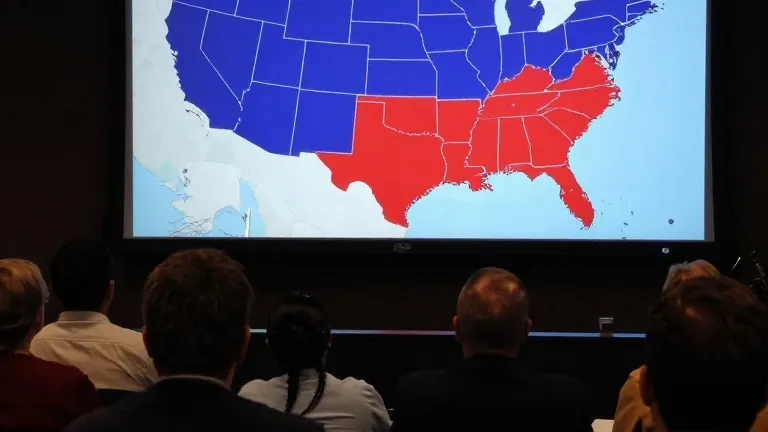
President Donald Trump faces a complex strategic decision regarding the eight-month-old conflict with Iran following the Republican Party's heavy losses in the midterm elections.
In comments made on Wednesday, the president acknowledged that the war contributed to higher gasoline prices, a factor that fueled voter dissatisfaction. "It’s largely true because it drove gasoline up a little bit," Trump said. He maintained that he would launch the conflict again if given the chance, stating, "At the same time, if I had to do it again, I'd do it again."
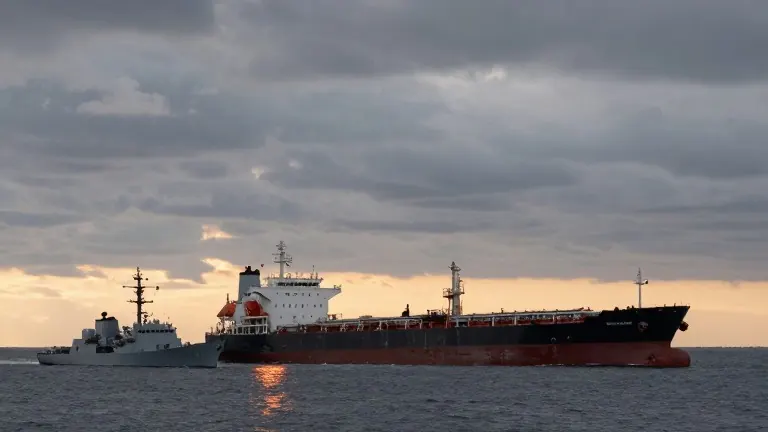
The conflict has resulted in tens of billions of dollars in regional damage and raised global energy costs. Oil flows through the Strait of Hormuz have resumed with U.S. Navy escorts, but fighting has expanded into the Red Sea. Iran-backed Houthi rebels are clashing with a Saudi-led coalition while attacking Yemeni civilians and Saudi infrastructure. A senior Yemeni government official noted that the threat from Iran did not change overnight and urged Washington to avoid hasty decisions.
Brian Haggerty, a former senior CIA analyst, suggested that Trump might feel less politically restrained now that the elections are over. He noted that the strategic logic for escalating strikes remains the same as it was prior to the vote. Analysts identify several paths forward for the administration. One option involves maintaining the current posture of defensive strikes and a naval blockade on Iranian oil exports. Another option, suggested by former assistant secretary of state David Schenker, involves striking the Pickaxe Mountain nuclear facility. Schenker proposed this could lead to a deal that restores navigation in the Strait of Hormuz and offers limited sanctions relief.
Schenker also described a potential escalation involving massive attacks on Iranian infrastructure. He warned that such a move would likely worsen oil and energy prices, a primary concern for voters. Brent crude oil prices fell below $95 on Wednesday, reaching a two-month low, indicating that markets do not currently anticipate major new strikes.
Middle Eastern officials reported that the administration signaled to Iran that its leverage would diminish after the elections. Three government officials said administration diplomats privately suggested Trump might restart strikes because he has little left to lose politically. Israeli Prime Minister Benjamin Netanyahu pressed for renewed strikes during a weekend call with Trump, though the president did not commit to military action. One official expressed optimism that the election results might help mediators find a resolution.
Vice President JD Vance attributed the GOP defeat directly to the conflict. "The reason we lost," Vance wrote in a social media post, "is the war." Vance had previously expressed skepticism about the war's wisdom before supporting the president's decision.
Data from The AP Voter Poll of more than 100,000 voters shows that 60 percent believe the U.S. made the wrong decision in taking military action against Iran. While the war was not the top issue for most voters, with only one-third calling it crucial to their vote, it heavily influenced Democratic support. About 60 percent of voters who were very concerned about gasoline costs backed Democratic candidates for U.S. House seats.
Source: WDIV ClickOnDetroit