57 Million Early Votes: The Turnout Battle Deciding the Midterms
With polls open, party chairs emphasize ground game and voter mobilization as the key factors in determining control of Congress.
By John Price ·
The United States faces a decisive moment on Election Day, with all 435 House seats and 35 Senate seats up for grabs. This midterm election serves as a referendum on President Donald Trump's second term, determining who will control Congress for the final two years of his presidency. The Associated Press notes that voters are currently grappling with high prices and dissatisfaction regarding an unpopular war with Iran. These economic and foreign policy concerns are driving voter behavior as polling stations open across the nation.
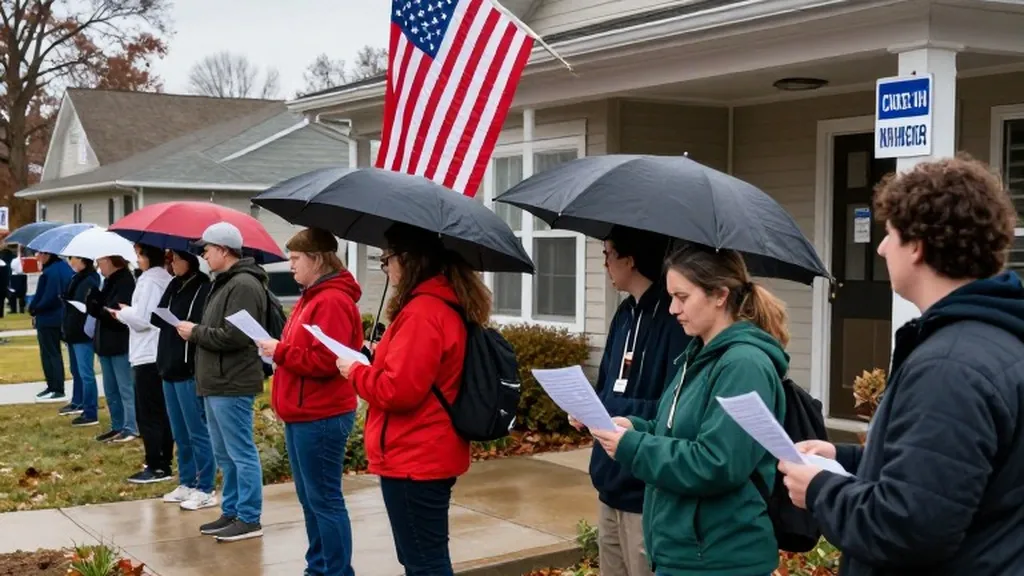
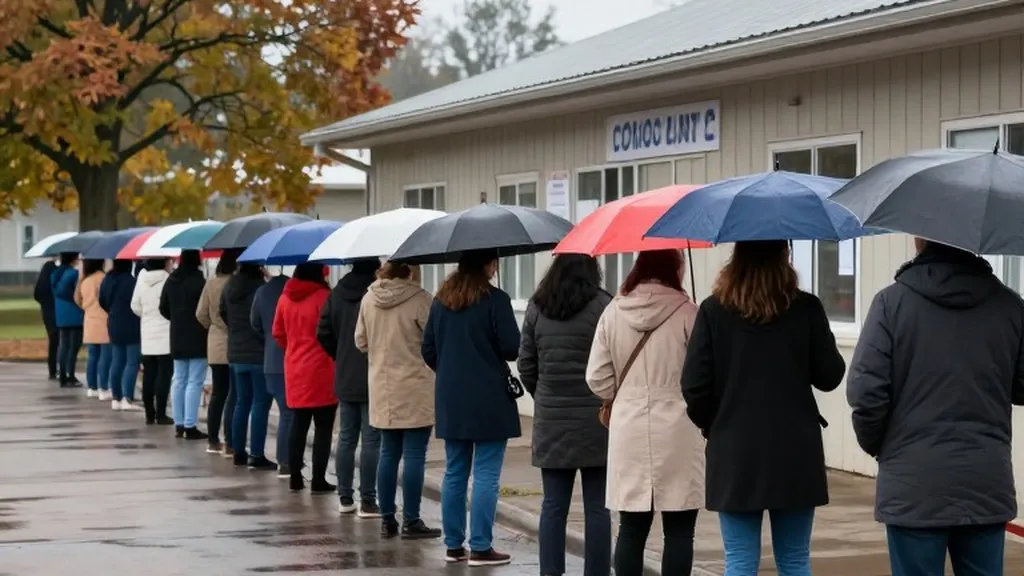
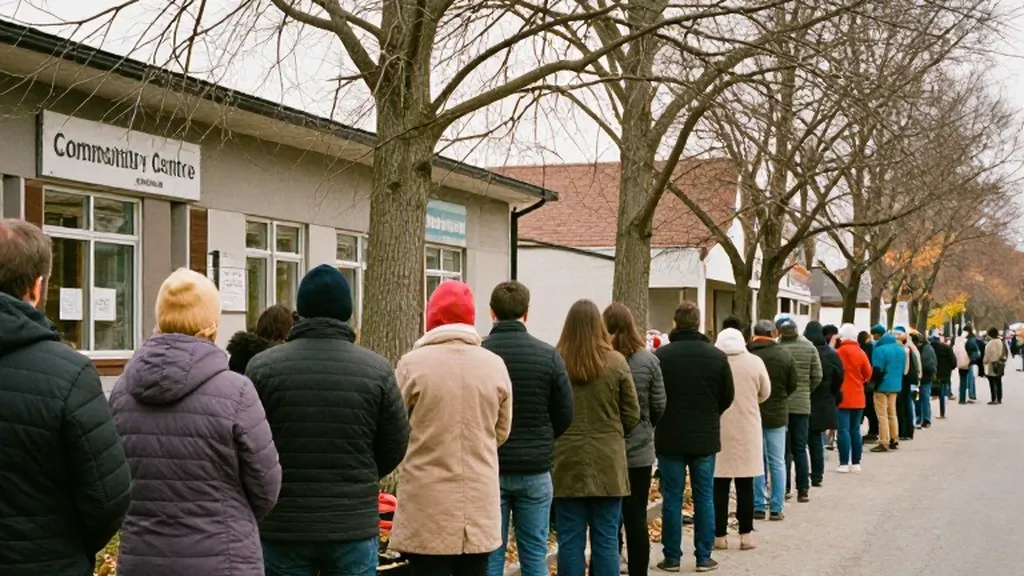
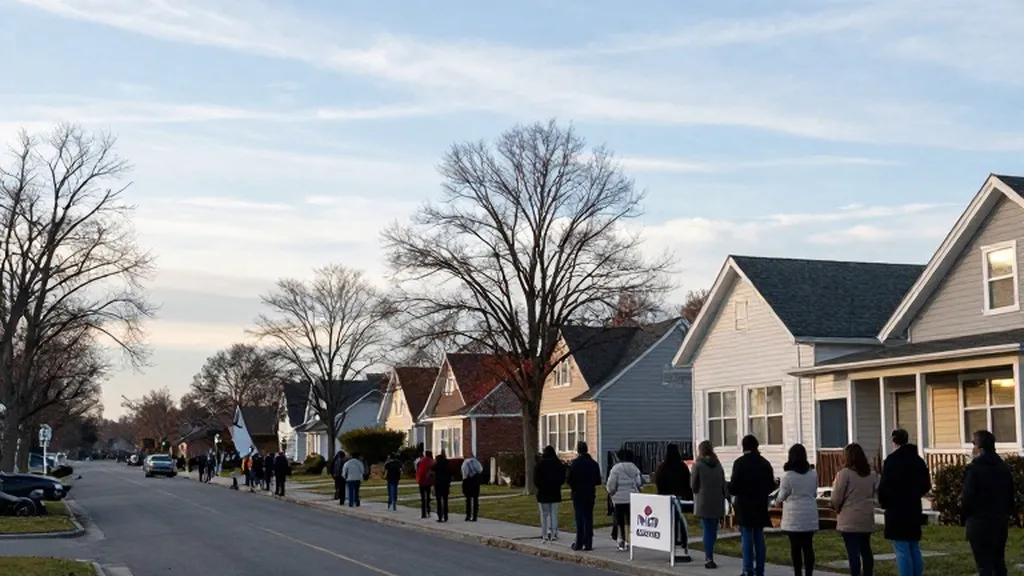
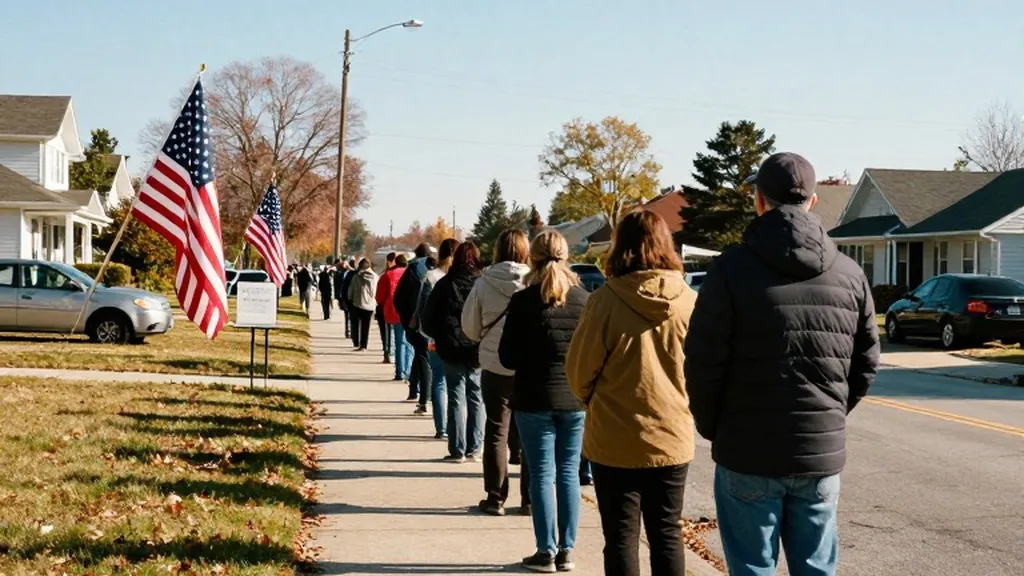
Turnout has emerged as the central metric for both parties in this cycle. More than 57 million people had already cast their ballots as of Monday, a figure that surpasses the early vote totals from four years ago in many closely watched states. This surge in pre-election voting suggests a high level of engagement that both campaigns are closely monitoring. The volume of early votes indicates that the outcome will depend heavily on which party can maintain momentum on the final day of voting.
Republican National Committee Chairman Joe Gruters has explicitly tied the party's success to voter participation. He stated that everything depends on turnout, asserting that if Republicans turn out their voters, they win. This strategy reflects a long-standing plan focused on mobilizing the base rather than expanding it. Gruters’s comments highlight the belief that the Republican ground game is robust and ready to capitalize on the existing early vote numbers.
Conversely, the Democratic Party is framing the election as a response to public frustration. House Democratic Leadership Committee Chair Representative Suzan DelBene stated that the American people are angry and want change. This message targets voters who feel the current administration is not addressing their economic needs. DelBene’s assessment suggests that Democrats are banking on dissatisfaction with high costs to drive turnout among their base and undecided voters in key districts.
The economic landscape plays a significant role in shaping voter sentiment. The AP-NORC poll indicates that 35 percent of U.S. adults approve of Trump's job performance, while only 25 percent approve of his handling of the economy. Approximately seven in ten Americans say the country is heading in the wrong direction, with most blaming the president for high prices. This data underscores the financial pressures that voters are feeling, which both parties are leveraging in their final appeals to the electorate.
On the ground, the race for the House is particularly tight. Democrats need a net gain of three districts to secure a majority, while Republicans can lose no more than two seats. Ballotpedia counts 46 battleground districts, with 25 currently held by Democrats and 21 by Republicans. The intensity of the fight is evident in states like North Carolina and Georgia, where specific matchups are drawing national attention. These districts are critical to determining whether the traditional midterm pattern of the president's party losing seats will hold or be broken.
In the Senate, the stakes are equally high with 33 regular elections and two special elections taking place. Republicans hold 53 seats, while Democrats have 45 plus two independents. Democrats need a net gain of four seats to take control, a challenging but not impossible hurdle. Races in states like Alaska, Kansas, and Michigan are rated as toss-ups or leaning toward one party, indicating that small shifts in turnout could decide the outcome. The administration's involvement in states like Alaska, including a lawsuit regarding the certification of results, adds another layer of complexity to these contests.
The governorships also play a crucial role in the broader political landscape. With 36 races on the ballot, Republicans currently hold 26 offices and Democrats 24. Democrats aim to achieve a nationwide majority of governorships for the first time in two decades. Key matchups in states such as Georgia, Nevada, and Ohio are being watched closely, with candidates like Rick Jackson and Amy Acton facing off in competitive environments. These races may influence the political dynamics in states that are also deciding congressional representation.
Voters are expressing their priorities through both their votes and their comments. In Palm Beach Gardens, Florida, voter Mark Barker cited his support for Trump, believing he is doing an awesome job. In contrast, James Moore, a librarian in Raleigh, North Carolina, expressed concern over rising taxes and healthcare costs. These individual perspectives reflect the broader national debate on the cost of living and the direction of the country. The diversity of opinion highlights the tight margins that will likely characterize the results.
The election administration has faced its own set of challenges, with federal judges temporarily barring the administration from implementing plans to prevent noncitizen voting. These legal moves have raised concerns about the integrity of the process and the potential for disenfranchisement. The U.S. Postal Service has increased staff and hours to ensure mail ballots are counted on time, reflecting the logistical demands of a high-turnout election. These administrative details are crucial for ensuring that every eligible vote is tallied accurately and efficiently.
As polls close across the country, the focus shifts to the final count and the subsequent reactions from both parties. The results will determine not only the balance of power in Congress but also the trajectory of the administration's final two years. With the economy and border security remaining key issues, the outcome of this election will set the stage for future political battles and policy decisions. The high level of early voting and the intense ground games of both parties suggest that the final numbers will be closely contested and significant.