Voters Cite Prices and Tariffs as Key Issues in 2026 Midterms
AP-NORC polling shows economic concerns driving voter sentiment as millions cast ballots in the House and Senate.
By Julian Khan ·
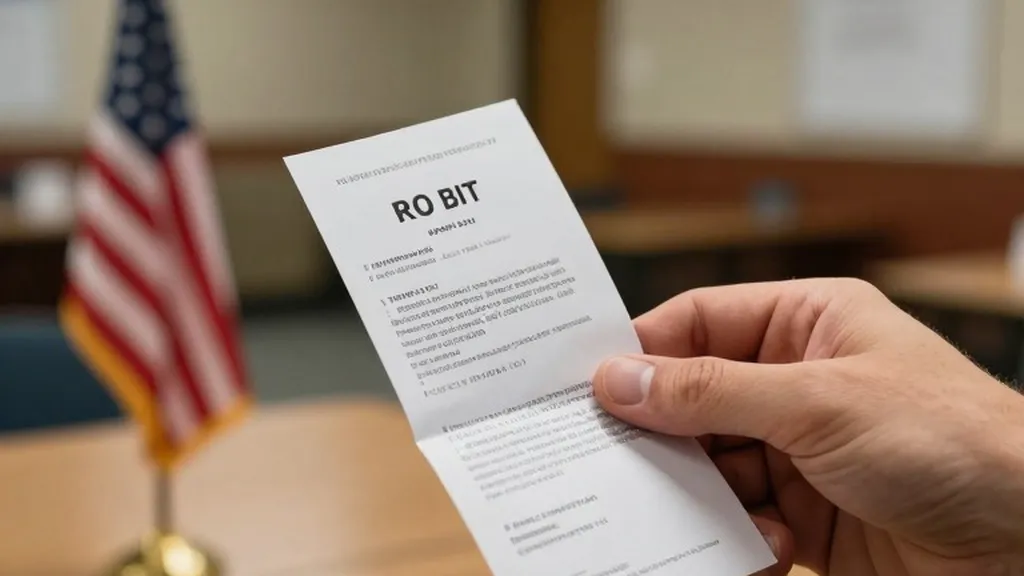
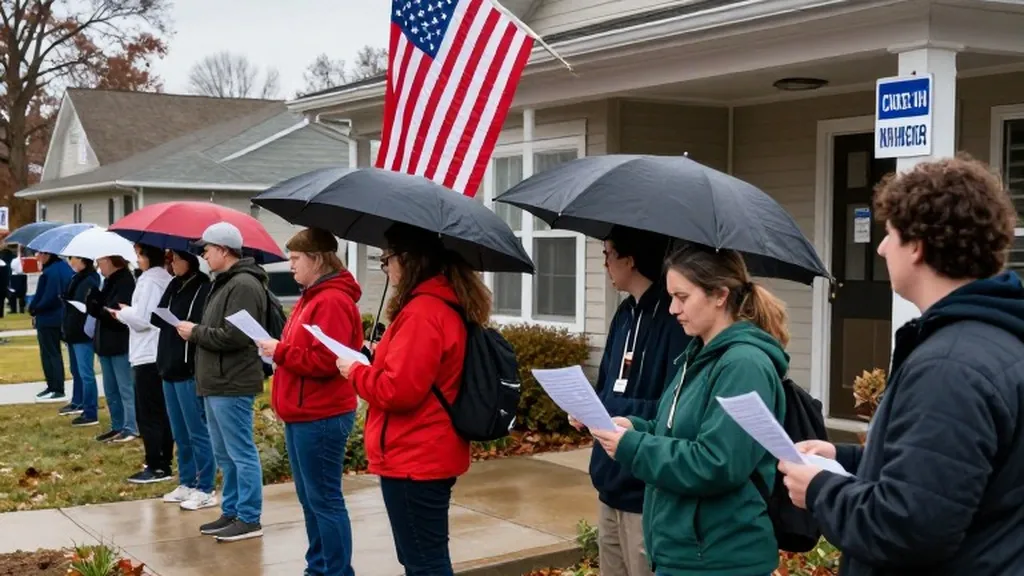
The atmosphere in polling places across the country is defined by a sharp focus on the cost of living. For many voters, the decision is less about ideology and more about the numbers on their grocery receipts and utility bills. The Associated Press describes the election as a referendum on President Donald Trump's second term, noting that voters are struggling with high prices and anger over an unpopular war with Iran. This economic anxiety is the central theme of the day, shaping how citizens evaluate both their local representatives and the president's performance.
New data from the AP-NORC center provides a clear picture of this mood. The survey finds that 35 percent of U.S. adults approve of Trump's job performance, a figure that reflects a significant portion of the electorate feeling the strain of current economic conditions. Approval of his handling of the economy is even lower, standing at 25 percent. These figures suggest that while a base of support remains, the broader electorate is feeling the pressure of inflation and rising costs. The poll also indicates that about seven in 10 Americans say the country is heading in the wrong direction, a sentiment that often correlates with economic dissatisfaction.
Voters in key battleground states are articulating these concerns directly. In Raleigh, North Carolina, James Moore, a 57-year-old librarian, told reporters that his decision is driven by the tangible impact on his household. Moore stated, "I'm paying more taxes. I'm paying more for my healthcare. I'm paying more for everything." His comments mirror the sentiments of many in the state, which is using a new congressional map and is a critical race for Senate control. The cost of living has become a personal metric for many in the Tar Heel State, where the economic landscape is shifting under new trade policies.
Contrasting this view is the perspective of supporters who see the economic volatility as a temporary adjustment. In Palm Beach Gardens, Florida, voter Mark Barker said he has been following Trump closely and believes he is doing an awesome job. Barker represents the segment of the electorate that is willing to trade short-term price increases for what they perceive as long-term stability or national strength. This divergence in opinion is playing out in real time across the country, with polls open in all fifty states. The outcome of these races will determine who controls Congress for the president's final two years, a fact that adds weight to every ballot cast.
Tariffs have emerged as a specific policy issue that voters are connecting to their daily expenses. The AP notes that economic strain and tariffs have made states like Maine competitive, where Senate candidate Susan Collins faces a tough challenge from Democrat Troy Jackson. In other regions, the impact of trade policies is felt in manufacturing and retail sectors, influencing how voters view their local incumbents. The debate is no longer just about the abstract concept of trade but about the price of imported goods and the cost of domestic production. This practical approach to economics is driving turnout in districts that were previously considered safe for one party or the other.
The Associated Press reports that more than 57 million people had already voted as of Monday, surpassing the early vote of four years ago in many closely watched states. This high level of participation suggests that voters are engaged and eager to express their opinions on the economy. Turnout is the critical variable that both parties are monitoring closely. RNC Chairman Joe Gruters emphasized that everything depends on turnout, stating that if Republicans turn out their voters, they win. This focus on mobilization is evident in the ground game being run by both parties in key districts and states.
Democrats are also focused on turnout, with DCCC Chair Rep. Suzan DelBene saying that the American people are angry and want change. This narrative of change is being tied directly to economic relief, with House Democratic Leader Hakeem Jeffries outlining a 100-day agenda that prioritizes the cost of living. If Democrats win control of either chamber, investigations and oversight into economic policies are likely to increase. The stakes are high, as a shift in power could lead to a reevaluation of trade deals and tax policies that have been implemented during the first half of the president's second term.
The financial world is also watching the election with interest. Reuters notes that results could add to investor concerns about AI spending and debt ceiling negotiations. Markets are sensitive to the direction of fiscal policy, and the outcome of the midterms will signal the level of bipartisan cooperation or partisan conflict that can be expected in the coming years. Investors are looking for clues on how the new Congress will approach the national debt and major infrastructure projects. This economic lens is another layer of the story, connecting the ballot box to the broader financial health of the nation.
In the Senate, the fight for control is as much about economic messaging as it is about partisan loyalty. In states like Kansas and Iowa, which are traditionally Republican but have become competitive, candidates are emphasizing their ability to manage the economy. The AP notes that Kansas, a reliably Republican state, has become central to the fight for Senate control. Candidates are using economic data and personal anecdotes to connect with voters who are feeling the pinch of high prices. The ability to articulate a clear economic plan is becoming a decisive factor in these close races.